Industrial Water Chillers for Stable Plastic Manufacturing
Temperature control plays a crucial role in maintaining efficient production and consistent product quality in plastic manufacturing. Industrial water chillers help regulate the temperature of molds, machinery, and processing equipment by supplying chilled water, reducing temperature fluctuations, improving production stability, and supporting reliable manufacturing operations.
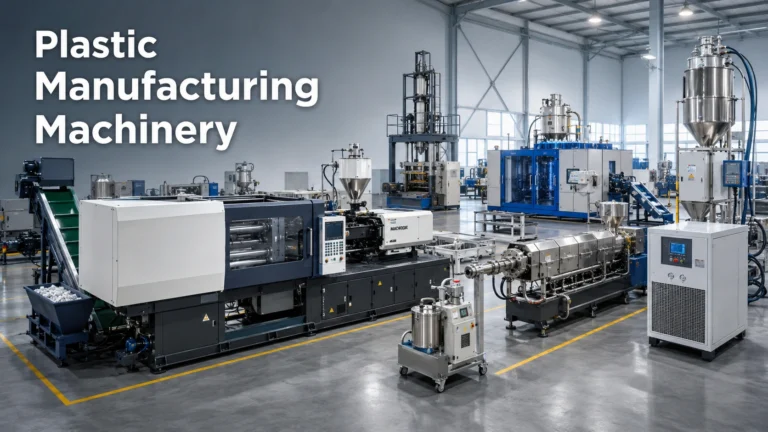
Tabadul Trading provides comprehensive industrial solutions for plastic manufacturers, including machinery, molds, auxiliary equipment, spare parts, and technical coordination. With more than 25 years of experience in industrial trading, over 350 successfully delivered projects, and a network of more than 150 specialists and partners, Tabadul Trading helps manufacturers identify and select equipment that meets their production requirements and operating conditions.
What Are Industrial Water Chillers?
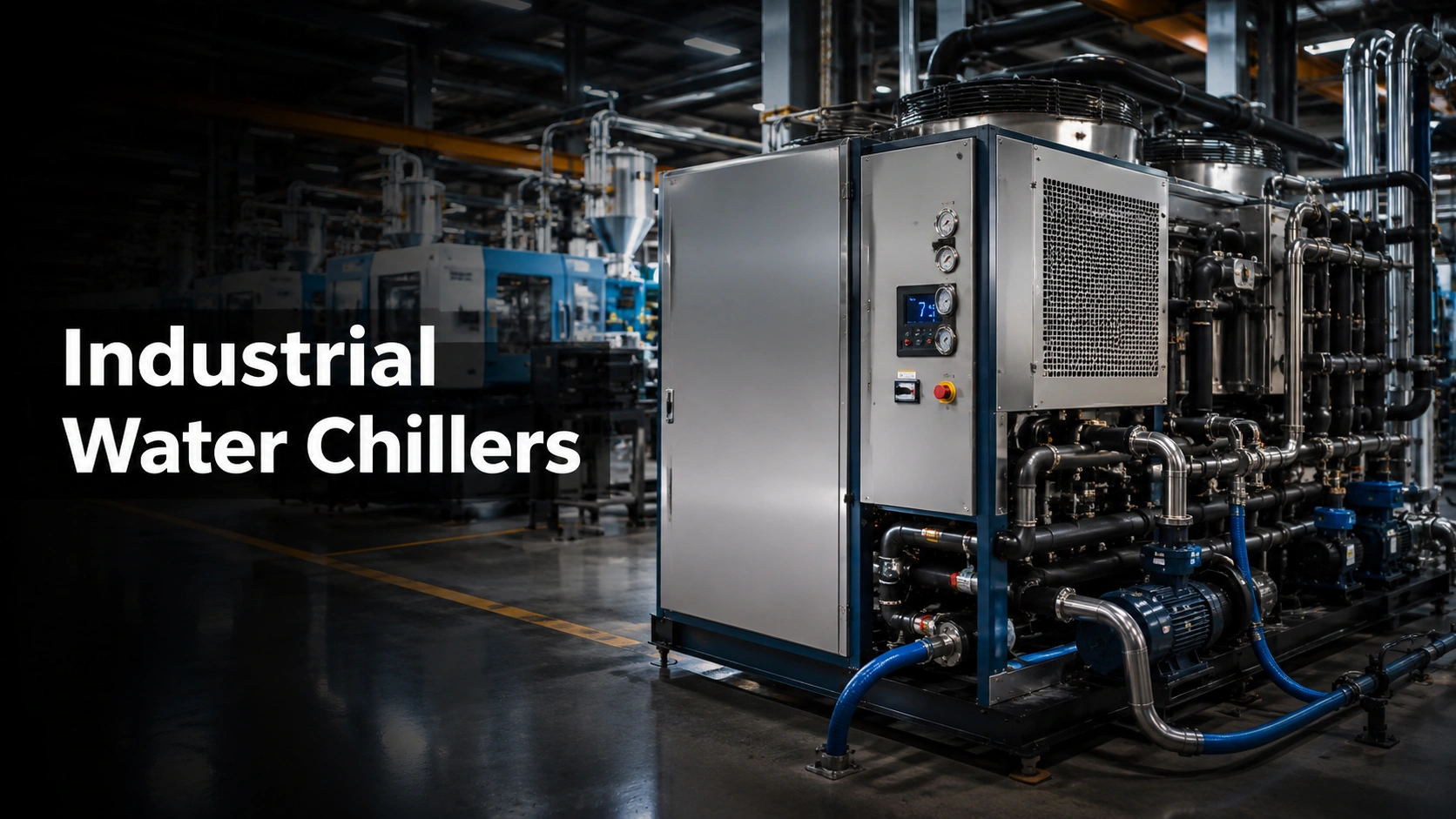
An industrial water chiller removes heat from circulating water and sends cooled water back to equipment that needs temperature control. In plastic factories, this cooled water is commonly used for injection molds, extrusion cooling tanks, blow molding systems, hydraulic oil coolers, and other heat-generating production components.
Without consistent cooling, molds may take longer to release finished parts, product dimensions can vary, and cycle times become less predictable. A properly selected chiller keeps the process within a controlled temperature range, which supports more reliable manufacturing performance.
Why Cooling Matters in Plastic Production
Plastic processing involves heat at almost every stage. Raw material is melted, injected, extruded, or blown into shape, then cooled until it reaches the required form. The cooling stage has a direct effect on quality, output, and operating costs.
- Shorter cycle times: Stable cooling can help parts solidify more efficiently before ejection or further processing.
- Better product consistency: Controlled temperatures reduce the risk of warpage, shrinkage, and dimensional variation.
- Improved mold performance: Cooling systems help reduce thermal stress on molds during repeated production cycles.
- Lower scrap rates: Consistent cooling supports a more uniform product shape and surface finish.
- More stable machine operation: Chillers can help manage heat generated by molds, hydraulic systems, and process equipment.
Applications of Industrial Water Chillers
Chillers are used across several plastic manufacturing processes. The required cooling capacity changes based on the machine type, material, production speed, and number of molds or lines connected to the system.
Injection Molding Operations
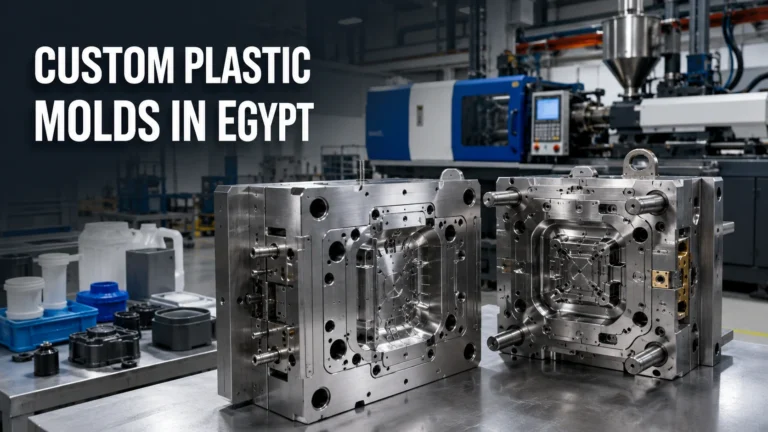
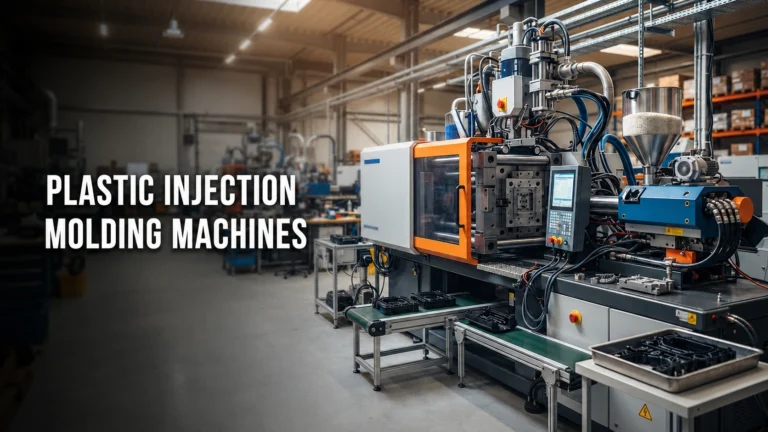
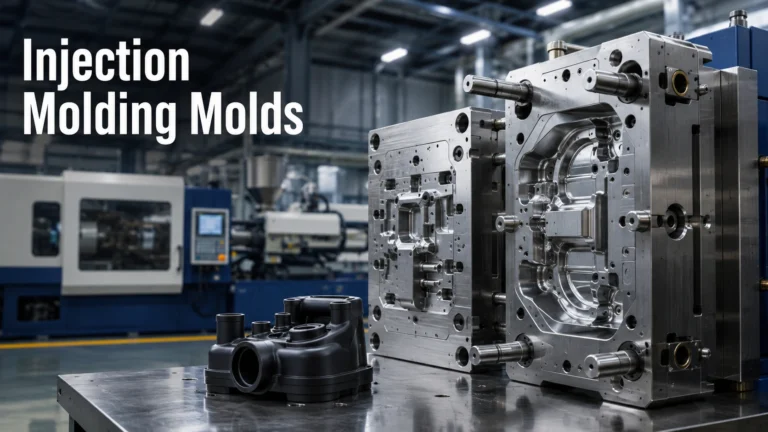
Injection molds need controlled cooling to maintain part dimensions and reduce the time required for each molding cycle. Water flows through cooling channels inside the mold, carrying heat away from the molten plastic after injection.
When selecting a chiller for a plastic injection molding machine, factories should review mold size, cavity count, cycle time, material type, and the number of machines expected to operate at the same time.
Extrusion Lines
Pipes, profiles, sheets, and other continuous products need uniform cooling as they leave the extrusion die. Cooling tanks and vacuum calibration systems rely on stable chilled water to maintain product dimensions and prevent deformation during production.
For manufacturers working with a plastic extrusion machine, the cooling system must match the line speed, product size, material type, and required output capacity.
Blow Molding Production
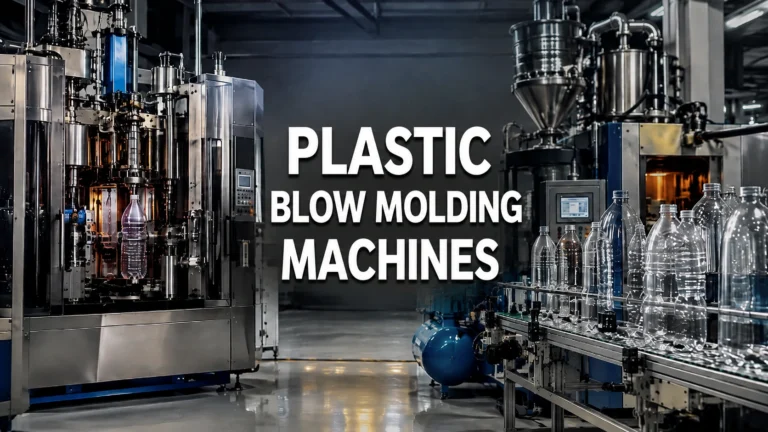
Bottles, containers, and jerry cans depend on mold cooling for shape consistency and efficient production. A chiller helps stabilize water temperature around the mold, supporting reliable cycles for PET, HDPE, PP, and other materials used in hollow plastic products.
Hydraulic Oil Cooling
Some machines generate heat through hydraulic systems during extended operation. Industrial water chillers can support oil cooling systems, helping maintain appropriate operating conditions and protect hydraulic components from excessive heat.
Air-Cooled vs. Water-Cooled Chillers
The best chiller type depends on the factory environment, available utilities, cooling load, and operating schedule. Both air-cooled and water-cooled systems can be effective when sized and installed correctly.
Air-Cooled Chillers
Air-cooled systems remove heat through ambient air and are often easier to install because they do not require a cooling tower. They need adequate ventilation and enough space around the unit to release heat efficiently, especially in hot production environments.
Water-Cooled Chillers
Water-cooled chillers use a separate water loop, typically connected to a cooling tower, to remove heat from the system. They can be suitable for higher cooling loads and continuous factory operation, but they require additional infrastructure and regular water-system maintenance.
How to Select the Right Industrial Water Chiller
Choosing a chiller based on a general machine rating alone can lead to insufficient cooling or unnecessary energy use. A practical selection starts by calculating the actual heat load and reviewing how the chiller will work with the full production line.
- Machine type: Injection molding, extrusion, and blow molding lines have different cooling requirements.
- Number of operating units: One chiller may serve multiple machines or molds if its capacity covers the total load.
- Material and process temperature: Different resins and applications require different cooling conditions.
- Production speed: Higher output and shorter cycle times typically increase cooling demand.
- Factory environment: Ambient temperature, ventilation, and available space affect chiller performance.
- Future expansion: Considering planned production growth can prevent the need to replace the chiller too soon.
A technical review before purchase helps match the cooling system to real factory conditions instead of relying on assumptions that may not hold during full production.
Chiller Maintenance for Consistent Performance
Like any industrial system, a chiller performs best when it receives regular attention. Simple preventive maintenance can reduce the chance of unplanned downtime and help maintain stable cooling efficiency.
- Clean filters regularly: Clear filters support proper water flow and help prevent blockage.
- Inspect water quality: Water treatment and monitoring can reduce scale buildup inside pipes and cooling channels.
- Check hoses and fittings: Early leak detection prevents pressure loss and protects the surrounding work area.
- Maintain ventilation: Air-cooled chillers need sufficient airflow around the condenser.
- Monitor temperature performance: Unusual temperature changes may indicate a need for technical inspection.
Why Choose Tabadul Trading?
Buying an industrial water chiller should not be treated as an isolated purchase. Cooling capacity must align with the mold, machinery, material, cycle time, and future production plans. Tabadul Trading helps factories evaluate these factors before selecting the right equipment.
- 25+ years of experience in industrial trade and factory equipment solutions.
- 350+ delivered projects across a range of plastic manufacturing applications.
- 150+ team members and partners supporting technical consultation and equipment sourcing.
- Integrated solutions including chillers, injection machines, extrusion lines, molds, auxiliary equipment, and spare parts.
- Quality-focused approach aligned with ISO and CE-related standards and certifications.
Whether you are installing a new plastic production line or upgrading an existing cooling system, Tabadul Trading can help you select industrial water chillers that support stable output, product consistency, and long-term operation.
Frequently Asked Questions
What are industrial water chillers used for in plastic factories?
Industrial water chillers provide controlled cooling water for injection molds, extrusion tanks, blow molding systems, hydraulic oil coolers, and other production equipment that generates heat during operation.
How do I know what chiller capacity I need?
Capacity depends on the machine type, number of molds or lines, production speed, material, process temperature, ambient conditions, and total cooling load. A technical assessment helps determine the right size.
Can one industrial water chiller serve multiple machines?
Yes, one chiller can serve multiple machines or molds if it has enough cooling capacity to handle the total heat load during simultaneous operation.
What is the difference between air-cooled and water-cooled chillers?
Air-cooled chillers use ambient air to remove heat and are easier to install, while water-cooled chillers use a separate water loop and can suit higher-capacity or continuous operating conditions.
Do industrial water chillers require maintenance?
Yes, regular maintenance such as filter cleaning, water-quality checks, hose inspection, ventilation checks, and temperature monitoring helps maintain efficient cooling and reduce unexpected downtime.