Injection Molding Molds
The quality of plastic products starts with the precision of the mold used to manufacture them. In plastic injection molding, the mold plays a critical role in determining the final product’s dimensions, surface finish, structural details, and overall consistency. Choosing the right injection molding molds helps manufacturers minimize defects, improve production efficiency, and maintain reliable product quality across high-volume manufacturing runs.
Tabadul Trading provides integrated solutions for plastic manufacturers, including injection molding molds, plastic processing machines, auxiliary equipment, and spare parts. Backed by more than 25 years of industrial trade experience, over 350 delivered projects, and a network of more than 150 team members and partners, the company helps businesses identify suitable equipment and build production setups that meet their technical requirements and manufacturing goals.
What Are Injection Molding Molds?
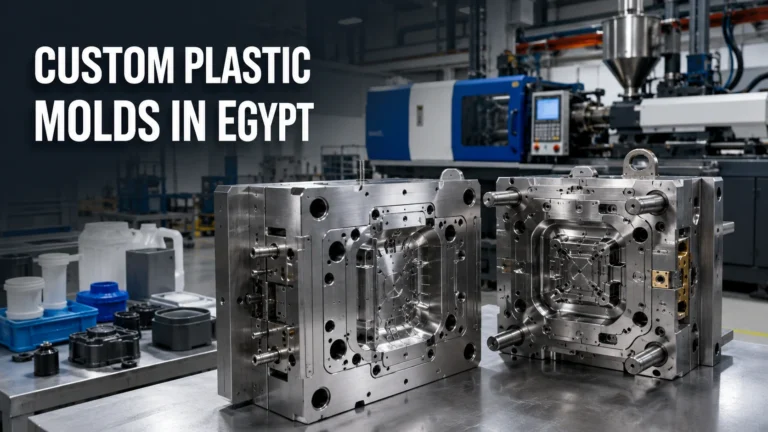
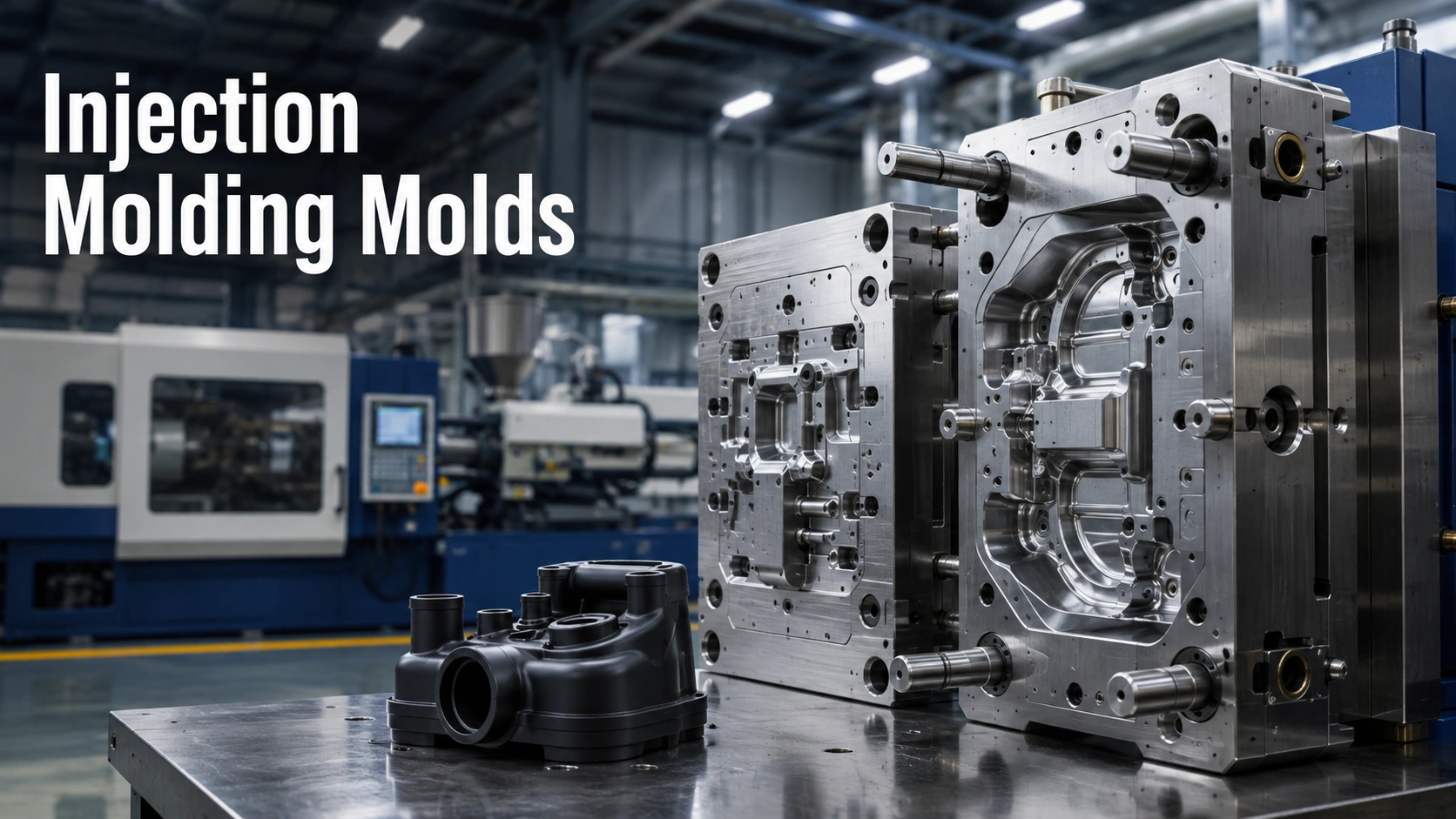
Injection molding molds are precision-engineered tools installed inside an injection molding machine. Molten plastic enters the mold cavity under pressure, cools into the required shape, and is then ejected as a finished part. Every mold is developed around the specific product it is meant to manufacture.
From bottle caps and electrical fittings to household products, automotive components, and industrial parts, the mold determines what can be produced and how consistently it can be repeated. That makes mold selection one of the most important investment decisions in any injection molding project.
Why Mold Quality Matters
Small details in a mold design can have a large impact on production performance. A poorly designed or poorly matched mold may lead to flashing, short shots, warping, uneven cooling, or difficult part ejection. Those issues increase scrap rates and slow down the entire factory line.
- Part accuracy: A precise mold helps maintain consistent dimensions across every production cycle.
- Surface quality: Mold finishing affects the final appearance and texture of the plastic product.
- Cycle time: Efficient cooling channels help reduce production time without compromising quality.
- Material efficiency: Proper gate and runner design can reduce waste and improve material flow.
- Long-term durability: Quality mold components reduce wear and support stable performance over repeated cycles.
Common Types of Injection Molding Molds
Different products call for different mold designs. The right configuration depends on output requirements, product complexity, material type, and the injection molding machine available at the factory.
Single-Cavity Molds
Single-cavity molds produce one part per cycle. They are often used for larger products, early-stage product launches, or applications where lower production volume is sufficient. Their simpler design can make them practical when flexibility matters more than maximum output.
Multi-Cavity Molds
When a factory needs a larger volume of identical parts, multi-cavity molds produce several pieces in one cycle. This setup increases output, but it also requires careful flow balancing, cooling design, and machine capacity to ensure all cavities fill consistently.
Family Molds
A family mold produces different but related parts in the same production cycle. This can be useful for products made of several matching components, though the design must account for different cavity sizes and filling requirements.
Insert Molding Tools
Some products require metal or electronic inserts to be enclosed in plastic. Insert molding tools are designed for this application, allowing the insert to be placed inside the mold before plastic is injected around it.
Key Elements of a Mold Design
Every successful mold starts with a clear understanding of the final product and how it will be used. Design decisions made at this stage influence both production efficiency and maintenance requirements later.
- Cavity layout: Determines the number of parts produced per cycle and how material flows through the mold.
- Gate location: Controls where molten plastic enters the cavity and can affect part appearance and strength.
- Cooling channels: Help remove heat evenly, reducing cycle times and minimizing warpage.
- Ejection system: Ensures the finished part leaves the mold smoothly without surface damage.
- Runner system: Directs material from the injection unit to each cavity in a controlled way.
- Mold steel selection: Influences durability, maintenance needs, and performance over high production volumes.
Skipping proper engineering at this stage often causes recurring production issues that are far more expensive to correct after manufacturing begins.
Matching the Mold to the Injection Machine
A mold must be compatible with the machine that will run it. Clamping force, shot size, tie-bar spacing, platen dimensions, and injection pressure all need to be reviewed before installation. A mismatch can result in poor part quality, excessive wear, or an inability to operate the mold safely.
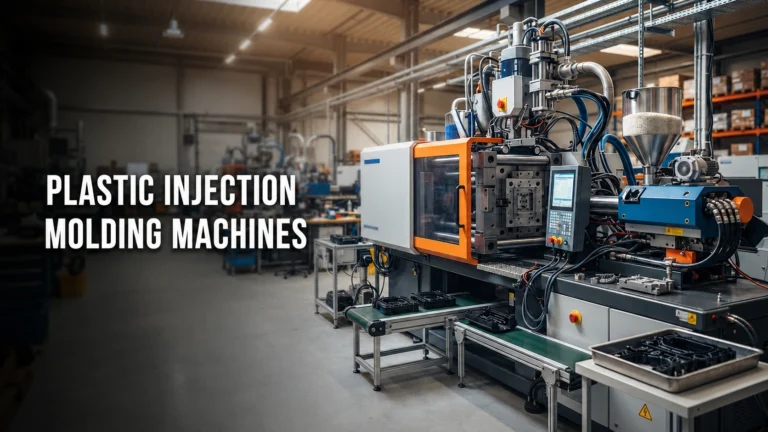
For this reason, Tabadul Trading supports customers in evaluating molds alongside the selected plastic injection molding machine. Looking at both components as one production system makes it easier to avoid technical conflicts after delivery.
Mold Maintenance and Spare Parts
Even a high-quality mold needs regular attention. Production cycles, heat, pressure, and repeated opening and closing naturally affect moving components over time. A simple maintenance plan helps protect the mold and maintain consistent product quality.
- Regular cleaning: Removing resin residue and contaminants protects mold surfaces and cavity details.
- Cooling system inspection: Clean channels support even heat transfer and stable cycle times.
- Moving-part lubrication: Pins, slides, and guides need proper lubrication to avoid friction and wear.
- Component replacement: Bushings, springs, ejector pins, and seals may need replacement as part of normal maintenance.
- Storage protection: Molds should be cleaned and protected properly when removed from production for long periods.
Keeping essential spare components available can prevent a minor issue from turning into a lengthy production stoppage.
Injection Molding and Extrusion: Different Production Needs
Injection molding is designed for individual finished parts with defined shapes, while extrusion creates continuous plastic forms such as pipes, sheets, and profiles. The difference matters when planning a new product line, because each process requires its own machinery, tooling, and auxiliary systems.
Factories producing pipes or continuous profiles can explore how a plastic extrusion machine works with dies and cooling systems to create long, continuous products rather than individual molded components.
Why Choose Tabadul Trading for Injection Molding Molds?
Choosing a mold supplier involves more than ordering a tool from a catalog. Product specifications, material behavior, machine capacity, output targets, and maintenance requirements all need to be considered before production begins. Tabadul Trading helps manufacturers bring those elements together through practical, coordinated solutions.
- 25+ years of experience in industrial trade and factory equipment supply.
- 350+ delivered projects serving a broad range of manufacturing needs.
- 150+ team members and partners supporting technical coordination and equipment sourcing.
- Integrated solutions for injection machines, molds, blow molding equipment, extrusion lines, auxiliary units, and spare parts.
- Quality-focused approach aligned with ISO and CE-related standards and certifications.
Whether you are launching a new plastic product or upgrading an existing production line, Tabadul Trading can help you choose injection molding molds that align with your machine, material, and production goals.
Frequently Asked Questions
What is the difference between a single-cavity and multi-cavity mold?
A single-cavity mold produces one part per cycle, while a multi-cavity mold produces multiple identical parts during the same cycle to increase production output.
How do I choose the right mold material?
The choice depends on expected production volume, product complexity, material type, surface finish requirements, and the operating conditions of the mold.
Can one mold work with any injection molding machine?
No. The mold must match the machine’s clamping force, shot capacity, tie-bar spacing, platen dimensions, and injection specifications for safe and efficient operation.
Why are cooling channels important in injection molding molds?
Cooling channels remove heat from the molded part evenly, helping reduce cycle time, maintain product dimensions, and prevent issues such as warping.
Does Tabadul Trading provide molds with injection molding machines?
Yes, Tabadul Trading provides integrated solutions that can include injection molding machines, custom molds, auxiliary equipment, spare parts, and technical support for plastic manufacturing projects.