Plastic Auxiliary Equipment
A molding machine gets most of the attention, but the equipment around it decides whether production runs smoothly or stops every few hours. Plastic auxiliary equipment covers the dryers, chillers, loaders, crushers and handling systems that keep material, temperature and cycle times under control.
Factories that skip this layer often pay for it later through rejected parts, unstable cycles and avoidable downtime. This guide explains what each unit does, how to size it, and where a supplier’s technical input saves you money.
What Counts as Auxiliary Equipment?
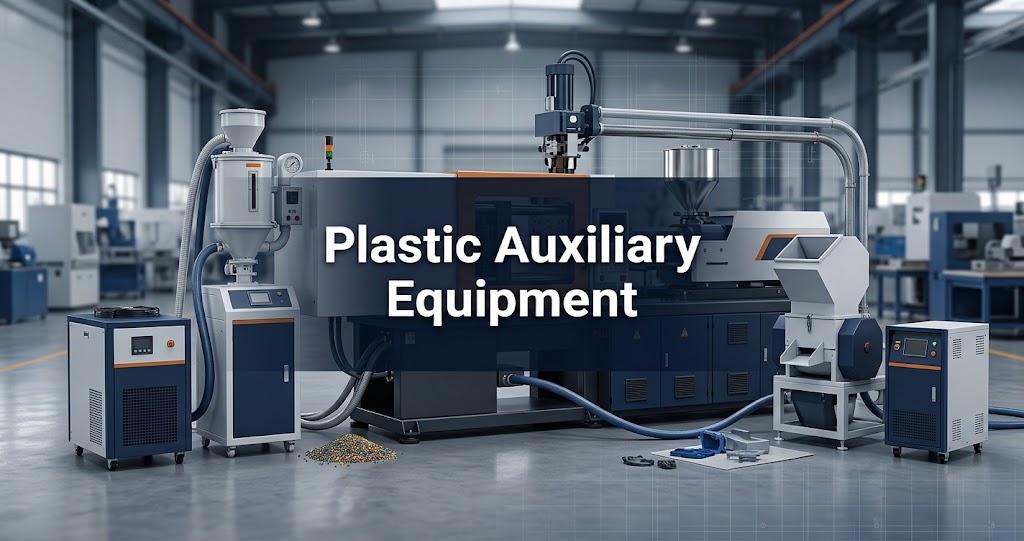
Anything that supports the main machine without forming the part itself falls into this category. It prepares the resin, controls the mold temperature, moves material, and handles what comes out of the machine.
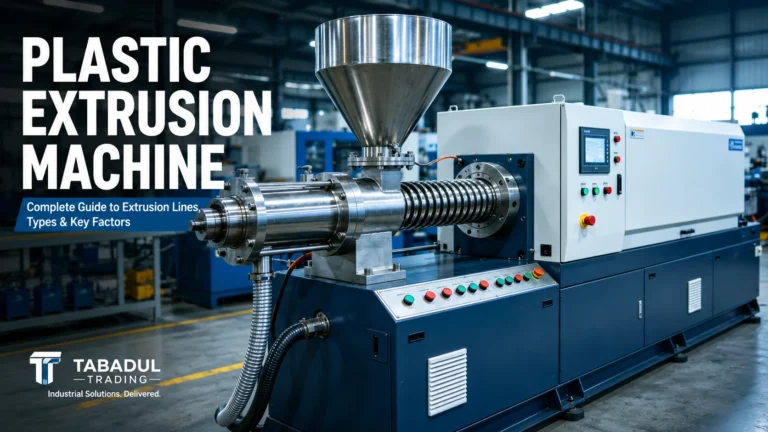
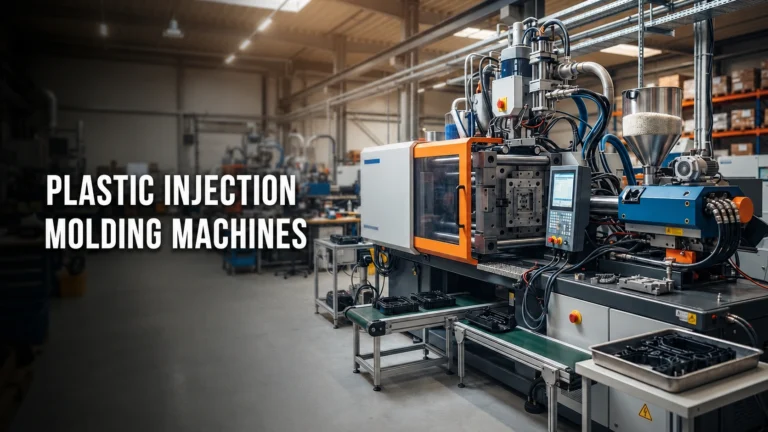
Whether the line uses a plastic injection molding machine or an extrusion line, the support units are broadly similar. Only their size and configuration change with the product and the resin.
Core Units and What They Do
- Industrial chillers: supply cooled water to the mold and hydraulic system, which keeps cycle times consistent and part dimensions stable.
- Resin dryers and dehumidifiers: remove moisture from hygroscopic materials such as PET, nylon and polycarbonate before processing, so splay marks and brittleness don’t show up in finished parts.
- Hopper loaders and vacuum conveying: feed pellets to the machine automatically, which cuts manual handling and contamination.
- Mold temperature controllers: hold the mold at a set temperature, which matters for surface finish and for engineering resins.
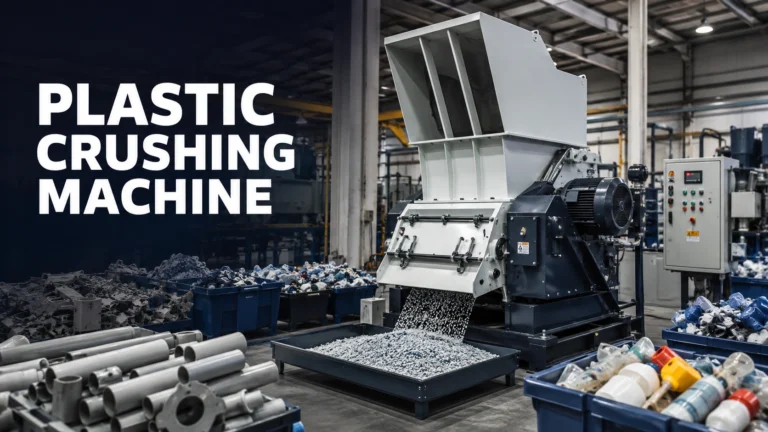
- Plastic crushers and granulators: grind sprues, runners and rejected parts so the regrind can be reused where the specification allows.
- Blenders and dosing units: mix masterbatch, additives and regrind accurately, which keeps color and properties consistent between batches.
- Air compressors: supply the compressed air used for blowing, ejection and pneumatic systems.
- Take-out robots and conveyors: remove and move parts so the operator doesn’t have to, which also protects part quality.
How Auxiliary Needs Change by Process
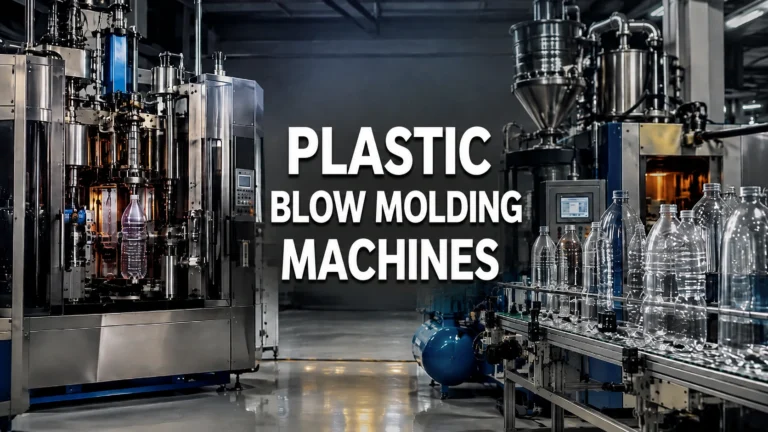
Different processes put different demands on the support equipment. Bottle and container production, for example, depends heavily on cooling capacity and clean compressed air. If you’re planning a hollow-product line, it helps to understand the requirements of a blow molding machine before you size the chiller and compressor.
Technical parts in engineering resins push the priority toward drying and precise mold temperature control. High-volume packaging cares more about speed, automation and fast cooling. Knowing which of these describes your product is the first step toward a sensible equipment list.
Sizing Mistakes That Cost Money
Oversized equipment wastes capital and electricity. Undersized equipment becomes the bottleneck of the whole line, and the expensive machine ends up waiting on a cheap unit.
- Choosing a chiller by horsepower alone: cooling capacity should be matched to the heat load of the mold and machine.
- Using one dryer for every material: each resin has its own drying temperature and time.
- Ignoring future expansion: adding a second machine later is easier when the utilities were planned for it.
- Overlooking spare parts: a unit that is hard to service can stop production for days.
- Buying on price only: the cheapest unit often costs more once energy, maintenance and downtime are counted.
Why Factories Work With Tabadul Trade
Tabadul Trade was built around one idea: making factory decisions easier. The team supports customers who need machines, molds, auxiliary equipment, spare parts and clear, organized technical communication, all from one point of contact.
- 25+ years of experience in industrial trade.
- 350+ projects supplied across different industries.
- 150+ team members and partners supporting customers from inquiry to commissioning.
- One supplier for the whole line: machines, injection molds, auxiliary units and spare parts, so everything is specified together.
Quality matters just as much as range. You can review the company’s ISO and CE documentation on its certificates page before you request a quotation.
How to Get the Right Quotation
The quickest route to an accurate offer is to share a few basic details. Include the resin you process, the machine model and tonnage, the product weight, and your target output per hour.
With that information, the technical team can recommend the correct chiller capacity, dryer type and handling system. If you’re still comparing options in the wider market, the guide to plastic manufacturing machinery gives useful context before you decide.
Frequently Asked Questions
What is plastic auxiliary equipment?
It is the support equipment around a molding or extrusion machine. Typical examples are chillers, dryers, loaders, granulators, mold temperature controllers and blenders.
Do all plastics need a resin dryer?
No. Hygroscopic resins such as PET, nylon and polycarbonate usually need drying. Materials like PP and PE often don’t, though that depends on the grade and the storage conditions.
How do I choose the right chiller size?
Size it by the heat load from the mold and machine, the resin and the cycle time, not by horsepower alone. Sharing your machine and product details lets a supplier calculate the cooling capacity you need.
Can regrind from a granulator be reused?
In many applications, yes, in a controlled ratio mixed with virgin material. The allowed percentage depends on the resin, the part requirements and your quality standards.
Does Tabadul Trade supply auxiliary equipment with the main machine?
Yes. Tabadul Trade supplies machines, molds, auxiliary equipment and spare parts, so the whole line can be specified and supported together.