
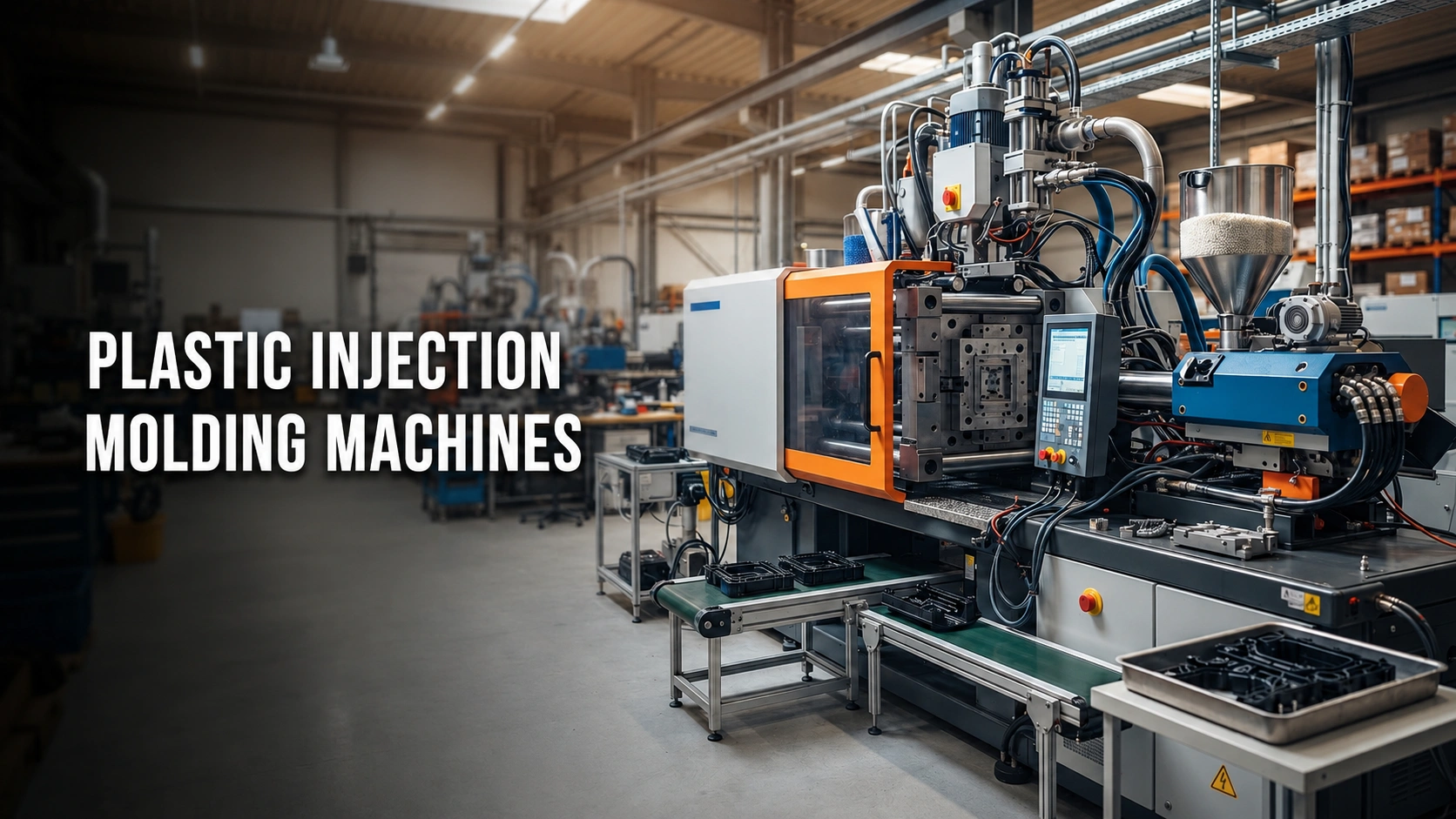
Plastic injection molding machine
Selecting the right plastic injection molding machine is a critical decision for any plastic manufacturing business. The ideal machine depends on several factors, including clamping force, injection capacity, mold dimensions, material type, and expected production volume. Evaluating these requirements before purchasing helps manufacturers avoid costly equipment mismatches, improve production efficiency, and achieve consistent product quality.
Tabadul Trading supports manufacturers in finding the right equipment for their production needs, offering plastic injection molding machines, molds, auxiliary equipment, and spare parts. With more than 25 years of experience in industrial trade, over 350 delivered projects, and a network of more than 150 team members and partners, the company helps businesses navigate equipment selection and production setup with practical solutions and clear technical communication.
What Does a Plastic Injection Molding Machine Actually Do?
At its core, the process is straightforward: plastic pellets are heated until molten, then injected under pressure into a mold cavity. Once the material cools and solidifies, the mold opens and the finished part is ejected. Repeat that cycle thousands of times, and you have a production line capable of turning out consistent parts at scale.
This method shows up almost everywhere once you start looking for it. Household items, bottle caps, electrical housings, automotive components, medical devices, toys, and countless industrial parts all rely on injection molding somewhere in their production chain. The machine’s specifications determine how precise, fast, and cost-effective that production ultimately becomes.
Types of Plastic Injection Molding Machines
Not every project calls for the same machine configuration. The right type depends on the part’s geometry, the material, and how the mold needs to be positioned during the cycle.
Horizontal Injection Molding Machines
Most factories run horizontal machines because they suit a wide range of products, from packaging components to household goods. The injection unit and clamping unit sit on the same horizontal plane, making it easier to automate part removal and integrate the machine with conveyors or robotic arms.
Vertical Injection Molding Machines
Some applications need a different approach entirely, particularly when a metal insert or pre-placed component has to sit inside the mold before injection. Vertical machines handle this insert molding process well, and they often take up less floor space, which matters in tighter production areas.
Small-Scale Injection Molding Machines
Startups and workshops testing a new product often start smaller. A compact machine can be a smart entry point, but only if its clamping force and shot capacity genuinely match the part being produced. Sizing down purely to save on upfront cost sometimes backfires when the machine can’t handle the mold properly.
Key Factors That Affect Machine Selection
Buying decisions get easier once you’ve mapped out exactly what the machine needs to accomplish. Skipping this step is one of the most common mistakes factories make when scaling up production.
- Clamping force: Must be sufficient to keep the mold closed against injection pressure without flashing or leakage.
- Shot size: Should align with the part’s weight and the mold’s cavity volume to avoid material waste or short shots.
- Material compatibility: Different resins like PP, PE, ABS, and PVC each demand specific temperature and pressure settings.
- Production volume: High-output runs need faster cycle times and often more automation than low-volume batches.
- Mold design: Cavity count, cooling channels, and ejection systems all interact directly with machine performance.
- After-sales support: Access to spare parts and technical service determines how quickly a line recovers from downtime.
Getting these details right from the start tends to save far more money than chasing a lower purchase price on a machine that isn’t properly matched to the job.
Why the Mold Matters as Much as the Machine
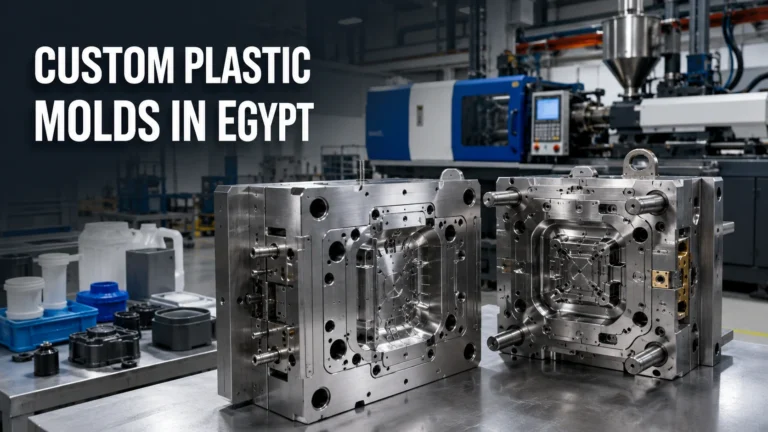
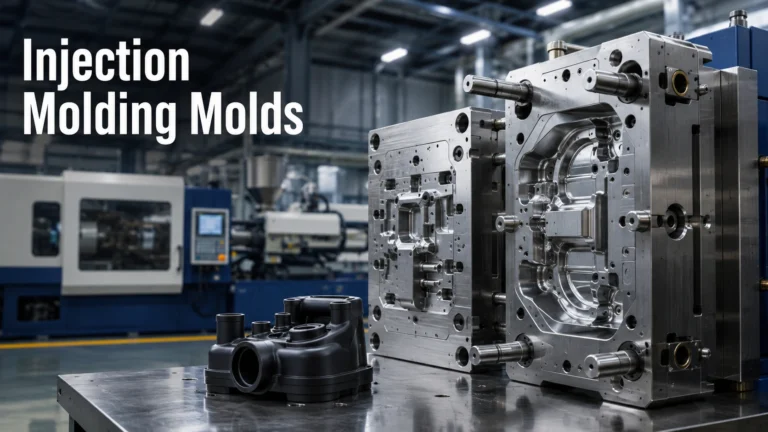
A high-performing machine won’t compensate for a poorly designed mold. Cavity layout, cooling efficiency, and gate placement all influence cycle time, part accuracy, and how much scrap ends up on the factory floor. Many manufacturers underestimate how much the mold contributes to overall output quality until they run into repeated defects.
This is exactly where Tabadul Trading’s approach differs from a typical equipment vendor. Instead of selling a machine in isolation, the team works through mold specifications, cooling requirements, and cavity counts alongside the equipment itself, so the two components function as one coordinated system rather than mismatched parts bolted together.
Supporting Equipment That Keeps Production Running
An injection molding machine rarely operates in isolation on a real production floor. Several supporting systems influence how smoothly the whole line performs day to day.
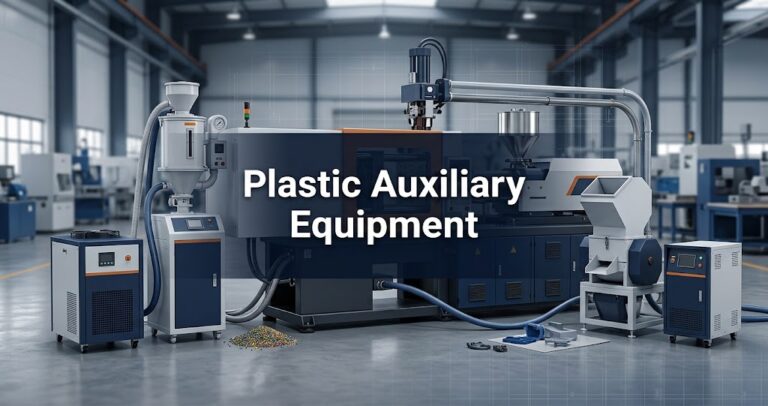
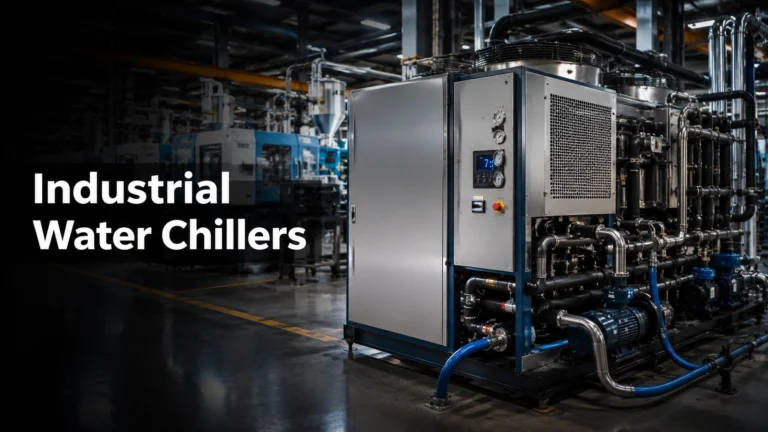
- Chillers: Maintain stable mold temperatures, which directly affects cycle time and dimensional consistency.
- Material dryers: Remove moisture from hygroscopic resins before they enter the barrel.
- Hopper loaders and feeders: Automate material handling and reduce manual intervention.
- Granulators: Recycle runners and rejected parts back into usable regrind material.
- Spare parts inventory: Heaters, sensors, hoses, and seals that keep unplanned downtime to a minimum.
Factories exploring a complete setup can review Tabadul’s range of plastic factory supplies to understand which auxiliary systems typically pair with a given machine and mold combination.
What Sets Tabadul Trading Apart
Plenty of suppliers can quote a price on a machine. Fewer take the time to understand the part being produced before recommending equipment. That distinction has shaped how Tabadul Trading operates since its founding, and it’s reflected in the trust built across more than 350 delivered projects.
- 25+ years of experience in industrial trade and factory equipment supply.
- 350+ projects delivered across a wide range of manufacturing sectors.
- 150+ team members and partners supporting technical consultation and after-sales service.
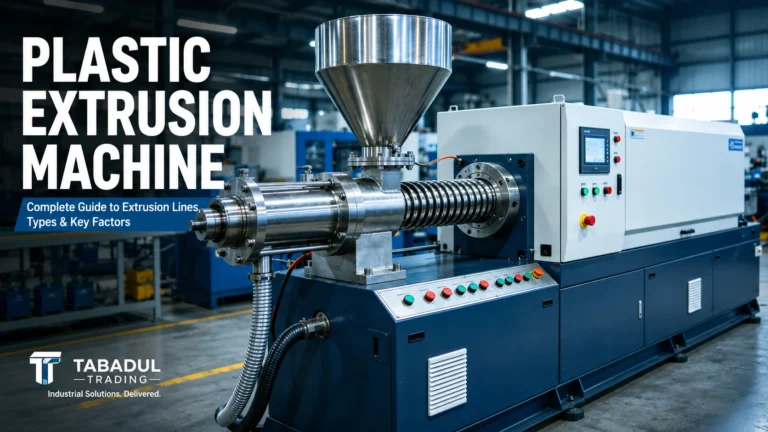
- End-to-end solutions covering injection, blow molding, and extrusion machines, molds, auxiliary equipment, and spare parts.
- Quality commitment aligned with recognized standards, including ISO and CE certifications.
Businesses comparing options among plastic machine suppliers in Egypt are welcome to reach out to Tabadul’s team directly, whether the goal is launching a new line or upgrading an existing setup with better-matched equipment.
Frequently Asked Questions
What is the difference between horizontal and vertical injection molding machines?
Horizontal machines place the injection and clamping units on the same plane and suit most standard production runs, while vertical machines are better suited for insert molding, where a component must be placed inside the mold before injection.
How do I know what clamping force I need?
Clamping force depends on the projected area of the part and the injection pressure required. A technical consultation is usually the fastest way to match this figure accurately to your mold design.
Can a small injection molding machine handle a new product launch?
Yes, provided its shot size and clamping force are properly matched to the part’s weight and mold requirements. Undersizing the machine to cut costs often leads to inconsistent part quality.
Does Tabadul Trading supply molds along with the machines?
Yes, Tabadul provides integrated solutions that include injection molding machines, custom molds, auxiliary equipment, and spare parts to support a complete production setup.
What ongoing support is available after purchasing a machine?
Tabadul offers spare parts availability and structured technical communication to help factories maintain consistent uptime and address issues before they escalate into major repairs.
One Comment