Custom Plastic Molds in Egypt for Reliable Manufacturing
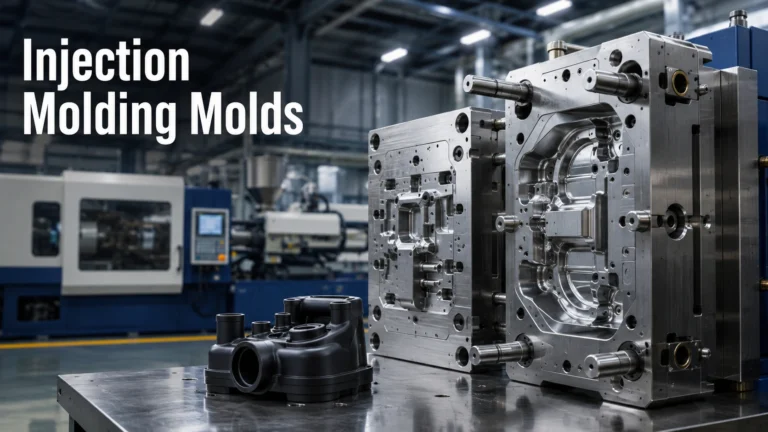
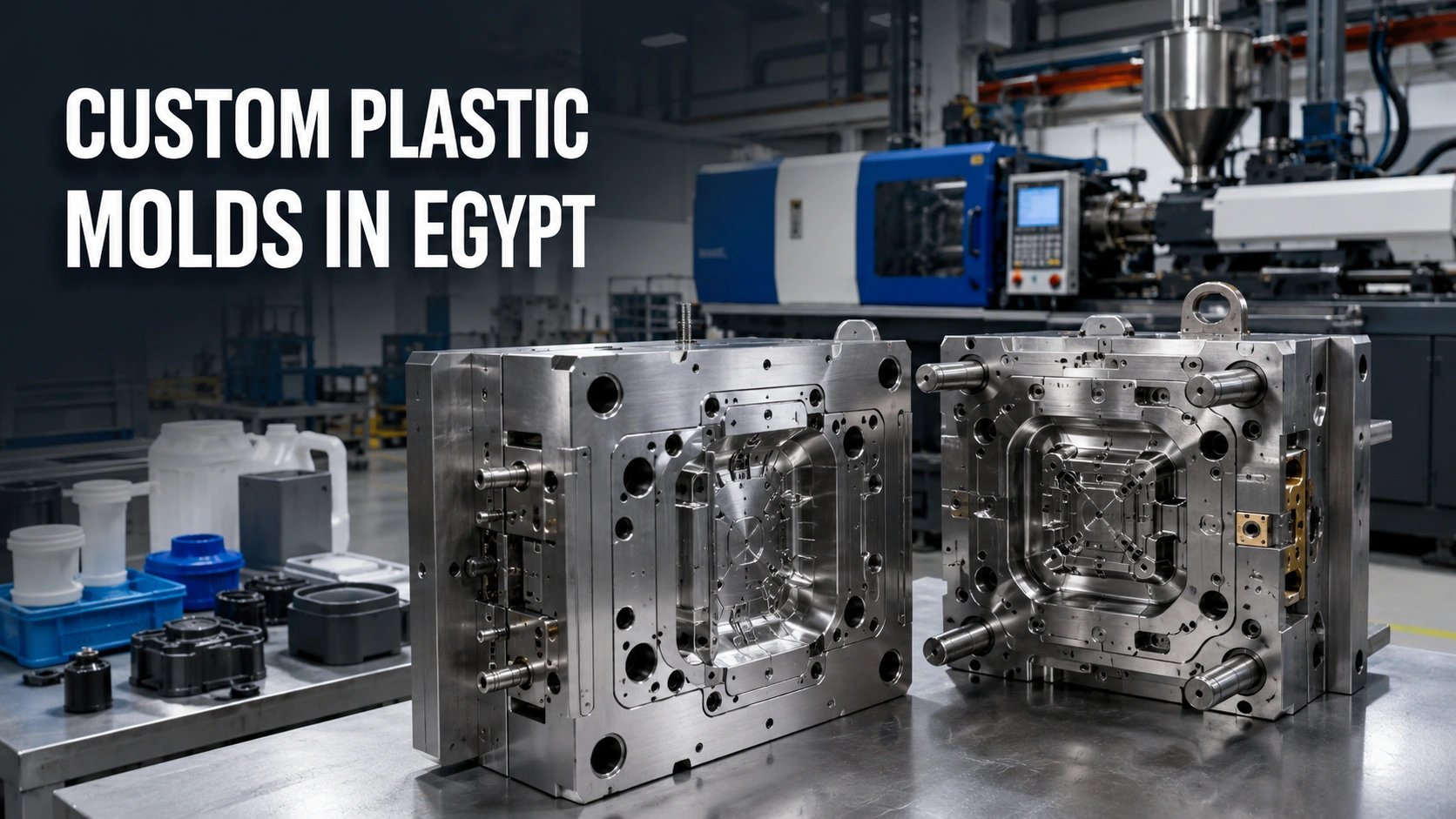
Launching a plastic product starts long before the first production cycle. The mold determines the product’s shape, dimensions, surface finish, wall thickness, and consistency, which is why choosing the right partner for custom plastic molds in Egypt is one of the most important decisions a manufacturer can make.
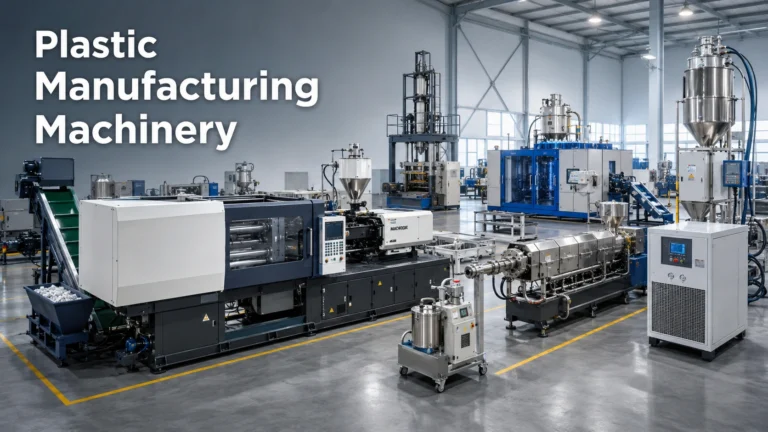
Tabadul Trading supports factories that need molds, machines, auxiliary equipment, spare parts, and clear technical communication throughout the production setup process. With more than 25 years of industrial trade experience, over 350 delivered projects, and a team and partner network exceeding 150 specialists, the company helps manufacturers make practical decisions for new products and expanding production lines.
Why Custom Plastic Molds Matter
A plastic mold is not simply a tool that creates a part. It directly influences product quality, production speed, material consumption, and maintenance requirements over the life of the manufacturing process.
- Accurate product dimensions: A properly engineered mold helps maintain consistency from one cycle to the next.
- Better surface finish: Mold design and cavity finishing influence the final appearance of the product.
- Lower scrap rates: Correct material flow, cooling, and ejection reduce common production defects.
- Improved cycle time: Efficient cooling channels help parts solidify faster without affecting quality.
- Long-term production stability: Quality mold components can withstand repeated opening, closing, and injection pressure.
For businesses introducing a new item to the market, investing in a mold that matches the product’s use and expected production volume can prevent costly redesigns after manufacturing begins.
What Can Custom Plastic Molds Produce?
Custom molds are designed around a specific product concept, so the possible applications are broad. The final use, material, and part complexity guide the design of every cavity, cooling channel, and ejection component.
- Household products: Storage items, kitchen tools, organizers, and plastic accessories.
- Packaging components: Caps, closures, containers, fittings, and product-specific packaging parts.
- Electrical parts: Switch housings, connectors, cable accessories, and component covers.
- Industrial components: Plastic parts used in machinery, construction, equipment, and production processes.
- Automotive parts: Selected interior, exterior, and functional plastic components.
- Medical and personal-care products: Containers and components designed according to their required specifications.
Key Stages in Custom Mold Development
Strong mold performance begins with proper planning. Skipping technical details during the design stage often leads to issues such as warpage, short shots, flashing, difficult part ejection, or uneven wall thickness during production.
- Product review: The process begins by studying the product shape, dimensions, intended use, and production target.
- Material selection: Plastic materials such as PP, PE, ABS, PVC, and PET have different flow behavior and cooling requirements.
- Mold design: Engineers determine cavity layout, gate position, runner system, cooling channels, and ejection method.
- Cavity planning: The number of cavities is selected based on the expected output, machine capacity, and investment plan.
- Mold manufacturing: Mold components are produced and assembled to match the approved design.
- Testing and adjustment: The mold is tested on the production machine and adjusted when necessary to meet product requirements.
Types of Plastic Molds for Different Production Needs
Not every product requires the same mold configuration. The selected design should reflect production volume, part size, material behavior, and the capabilities of the machine that will run the mold.
Single-Cavity Molds
Single-cavity molds produce one part during each cycle. They can be a practical choice for larger products, limited production quantities, early product launches, or projects where flexibility matters more than maximum output.
Multi-Cavity Molds
When higher output is needed, multi-cavity molds produce several identical parts in the same cycle. This setup can improve productivity, but it requires accurate flow balancing and cooling to ensure every cavity produces consistent parts.
Insert Molding Tools
Some plastic components need metal, electrical, or mechanical inserts placed inside the mold before injection. Insert molding tools are designed for these applications and help combine plastic with other components in a single production step.
Custom Molds for Specialized Products
Products with unique shapes, special functions, detailed textures, or complex assembly requirements need a mold designed around their exact specifications. This is where technical coordination between the product designer, mold maker, and production team becomes especially valuable.
Choosing Between Plastic Mold Makers Companies
Comparing plastic mold makers companies should involve more than reviewing a quotation. A lower initial cost may create larger expenses later if the mold does not match the machine, material, production volume, or required part quality.
- Technical experience: Choose a supplier that understands mold design, machine requirements, materials, and production conditions.
- Product-focused planning: The mold should be designed around the actual product rather than a generic template.
- Machine compatibility: Check clamping force, shot size, platen dimensions, and tie-bar spacing before finalizing the mold.
- Cooling design: Efficient cooling contributes to shorter cycle times and consistent product dimensions.
- Maintenance support: Access to replacement pins, bushings, springs, and other mold components helps reduce downtime.
- Testing process: A proper trial run helps identify adjustments before full-scale production begins.
Matching Custom Molds with Injection Machines
Injection molding molds must work as part of a complete production system. Clamping force, injection pressure, shot capacity, and platen dimensions all need to align with the mold design before production begins.
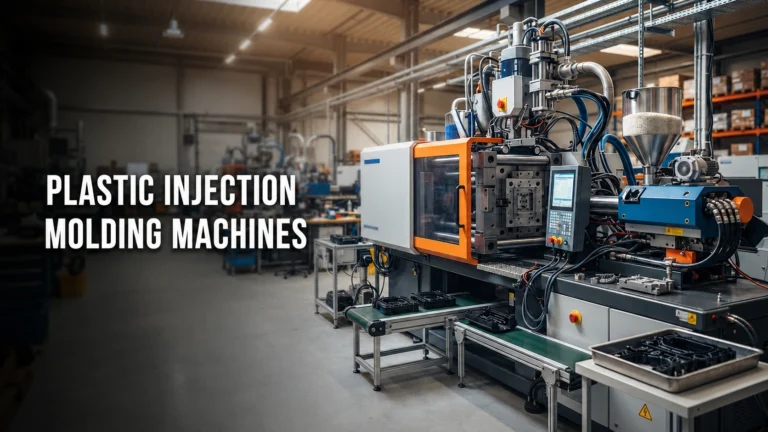
Factories planning a new molded product can review the role of a plastic injection molding machine when evaluating how a custom mold will operate in real production conditions.
Custom Molds Beyond Injection Molding
Not all plastic products are manufactured through injection molding. Hollow containers require blow molding equipment, while pipes, sheets, and continuous profiles are produced through extrusion. Each process depends on its own tooling design and production setup.
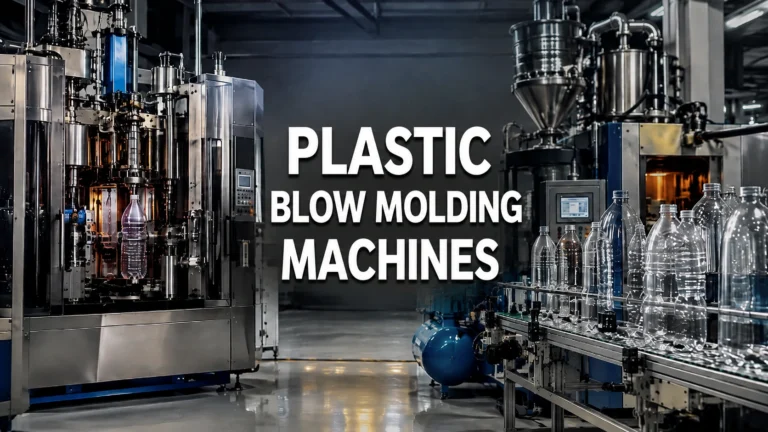
For manufacturers producing bottles, containers, and jerry cans, selecting the right blow molding machine is part of building a complete packaging production line.
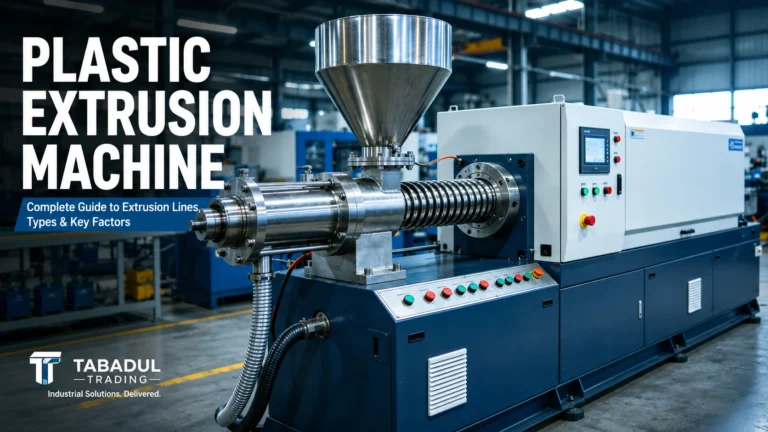
On the other hand, factories producing pipes or continuous plastic profiles need tooling that works with a plastic extrusion machine, where the die shapes material continuously rather than producing individual molded parts.
Why Choose Tabadul Trading?
Tabadul Trading approaches mold sourcing as part of a larger factory solution. Instead of treating the mold, machine, cooling system, and spare parts as unrelated purchases, the company helps customers align them around a clear production objective.
- 25+ years of experience in industrial trade and manufacturing equipment solutions.
- 350+ delivered projects across a wide range of industrial applications.
- 150+ team members and partners supporting technical coordination and equipment sourcing.
- Integrated solutions for molds, injection machines, blow molding equipment, extrusion lines, auxiliary equipment, and spare parts.
- Quality-focused approach aligned with ISO and CE-related standards and certifications.
Whether you need custom plastic molds in Egypt for a new product or want to improve an existing production line, Tabadul Trading can help you identify a solution that matches your product specifications, material, machine capacity, and output targets.
Frequently Asked Questions
What are custom plastic molds used for?
Custom plastic molds are used to manufacture specific plastic products with defined shapes, sizes, surface finishes, and functional details. They are commonly used for household goods, packaging, fittings, electrical parts, and industrial components.
How long does it take to develop a custom plastic mold?
Development time depends on product complexity, mold size, cavity count, material requirements, and the testing process. A technical review is needed to provide an accurate timeline for each project.
What affects the cost of a custom plastic mold?
Cost is influenced by product complexity, mold size, number of cavities, steel selection, cooling system design, ejection requirements, and the expected production volume.
Can one mold work with every injection molding machine?
No. The mold must be compatible with the machine’s clamping force, shot capacity, platen size, tie-bar spacing, and injection pressure for safe and efficient operation.
Does Tabadul Trading support mold maintenance and spare parts?
Yes, Tabadul Trading supports factories with molds, machinery, auxiliary equipment, spare parts, and technical communication to help maintain stable production performance.