Plastic Crushing Machine Solutions for Efficient Material Recovery
Production waste does not have to become a permanent cost for a plastic factory. Runners, rejected parts, trim waste, pipes, sheets, and defective containers can often be processed and reused when the factory has the right plastic crushing machine in place.
Tabadul Trading helps manufacturers select machinery that fits their actual production conditions, rather than simply offering a standard model. With more than 25 years of industrial trade experience, over 350 delivered projects, and a network of more than 150 team members and partners, the company supports factories with machines, molds, auxiliary equipment, spare parts, and clear technical communication.
What Does a Plastic Crushing Machine Do?
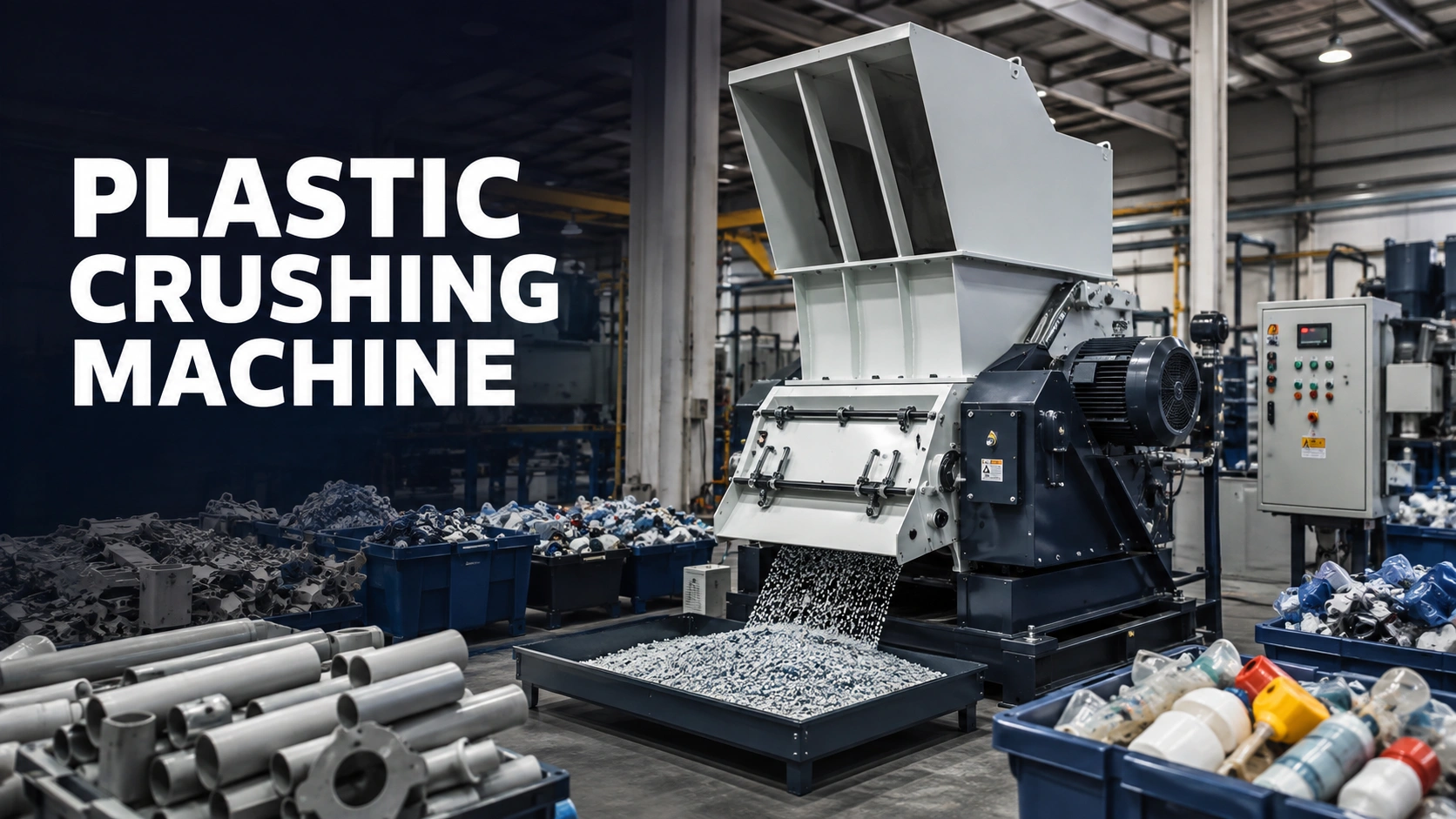
A plastic crusher breaks large plastic waste into smaller, more manageable pieces. These crushed materials can then be collected, processed further, mixed with virgin resin where appropriate, or prepared for recycling depending on the material type and final product requirements.
By reducing the size of production scrap, factories can improve material handling and reduce the amount of usable plastic sent away as waste. The result is often better control over material costs and a more organized production environment.
Common Uses of Plastic Crushers
Different factories generate different forms of plastic waste, which is why crusher selection should always start with the material being processed.
- Injection molding runners: Gates, runners, and rejected molded parts from injection production.
- Blow molding scrap: Defective bottles, containers, jerry cans, and trim waste.
- Pipe and profile waste: PVC, PE, or PP pipes, profiles, and extrusion offcuts.
- Plastic sheets: Production scrap from sheet manufacturing and thermoforming operations.
- Packaging waste: Used or rejected packaging components suitable for controlled recycling.
Not every material requires the same crushing setup. Hard plastic, flexible film, thick pipes, and hollow containers each place different demands on the motor, cutting chamber, and blade design.
How to Choose a Plastic Crusher in Egypt
Finding the right plastic crusher in Egypt requires more than checking the machine’s listed capacity. The type of plastic, part thickness, expected waste volume, and factory operating hours all influence which configuration will perform reliably.
- Material type: PVC, PE, PP, PET, ABS, and other plastics can require different blade arrangements and crushing power.
- Waste size: Large pipes, sheets, and thick molded parts need a wider chamber and stronger motor than small runners.
- Required output: Daily scrap volume determines the crusher capacity needed to avoid material buildup.
- Blade configuration: Fixed and rotating blades must be selected according to the hardness and shape of the material.
- Screen size: The screen controls the final granule size after crushing.
- Maintenance access: Easy blade adjustment and cleaning can reduce downtime during routine service.
Choosing a crusher that is too small can overload the machine and slow the factory down. Selecting one that is far larger than the actual need can add unnecessary investment and energy costs.
Plastic Crusher Types for Different Applications
Crusher design varies according to the material entering the cutting chamber. Understanding the main options helps manufacturers match the machine to their production waste.
Granulators for Injection Molding Waste
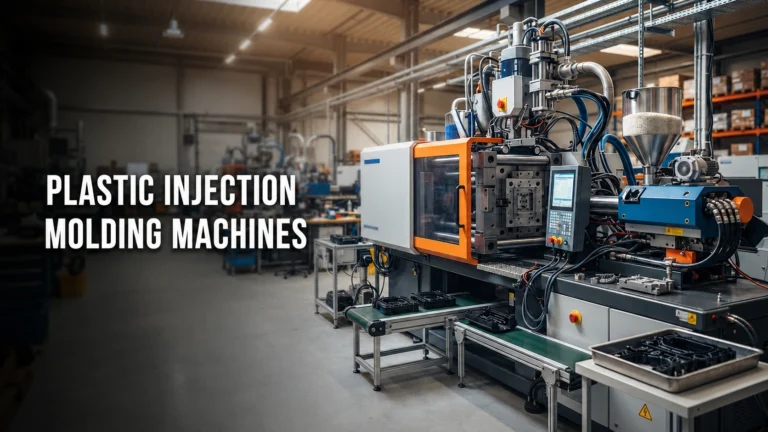
Factories running injection molding lines often use compact granulators near the machine to process runners and rejected parts quickly. This arrangement keeps the production area cleaner and allows suitable material to be prepared for reuse without long transport or storage delays.
For factories already operating a plastic injection molding machine, matching the crusher capacity with the injection machine’s output is important for keeping scrap handling under control.
Heavy-Duty Crushers for Pipes and Thick Parts
Larger waste items such as pipes, thick profiles, and solid molded products require a more robust cutting chamber and higher motor power. Heavy-duty crushers are built to handle these materials while maintaining stable cutting performance over longer operating periods.
Crushers for Bottles and Hollow Containers
Bottles, containers, and jerry cans can be crushed for recycling, but their shape and volume need to be considered when selecting the feeding opening and blade system. A properly sized machine prevents material bridging and supports smoother processing.
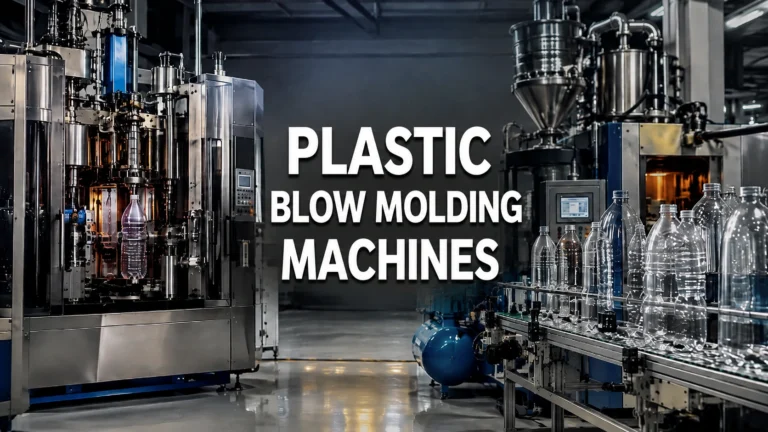
Manufacturers involved in bottle and container production can also review how a blow molding machine works alongside crushing equipment to manage rejected products and production trim more efficiently.
Why Blade Quality Matters
The blades are the working core of any plastic crushing machine. Dull, damaged, or incorrectly configured blades increase energy consumption, reduce output, and may create inconsistent granule sizes that affect downstream recycling processes.
- Sharp blades: Support cleaner cutting and reduce strain on the motor.
- Correct blade material: Helps the machine handle the intended plastic without excessive wear.
- Proper blade spacing: Improves cutting efficiency and reduces the risk of material jamming.
- Routine adjustment: Maintains stable performance as blades wear through normal operation.
- Available spare blades: Helps reduce lengthy downtime when sharpening or replacement is needed.
How a Plastic Crusher Supports Recycling and Cost Control
A crusher does not replace a full recycling system, but it is often the first practical step in recovering useful plastic from production waste. Crushed material becomes easier to sort, store, transport, and process through later stages such as washing, drying, or pelletizing.
Factories should always define the acceptable percentage of recycled material according to their product quality requirements. Certain products may allow controlled reuse, while others may require virgin raw material or stricter material specifications. A technical review helps establish the right process for each application.
Plastic Crushing Machines as Part of a Complete Production Setup
Crushing equipment works best when planned as part of a wider production system. The machine may need to connect with conveyors, material collection units, mixers, dryers, or storage solutions depending on how the factory handles reclaimed material.
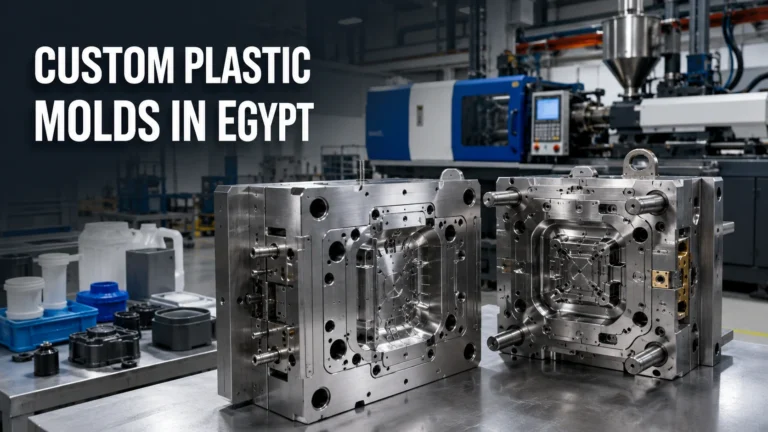
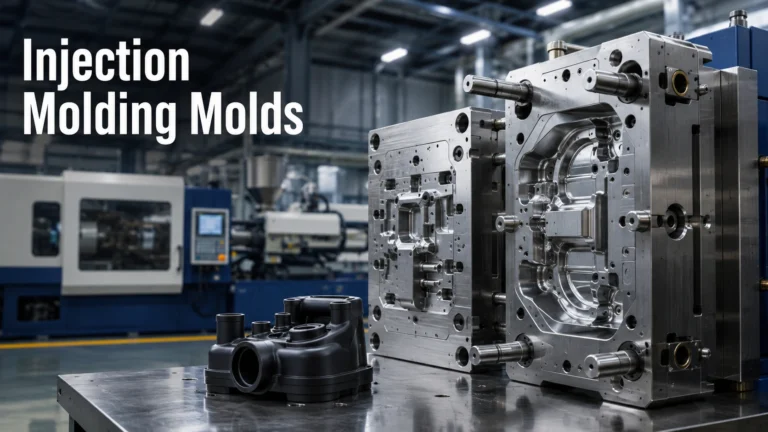
Businesses looking to build or expand a full production line can explore Tabadul’s range of plastic manufacturing machinery, including injection, blow molding, extrusion, molds, auxiliary equipment, and spare parts.
Why Choose Tabadul Trading?
Industrial equipment should be selected based on practical production needs, not general specifications alone. Tabadul Trading helps customers evaluate the material, expected scrap volume, factory space, and required output before recommending a plastic crushing machine.
- 25+ years of experience in industrial trade and factory equipment solutions.
- 350+ delivered projects across different plastic manufacturing applications.
- 150+ team members and partners supporting technical consultation and sourcing decisions.
- Integrated solutions for crushers, injection machines, blow molding equipment, extrusion lines, molds, and spare parts.
- Quality-focused approach aligned with ISO and CE-related standards and certifications.
Whether you need a compact granulator for injection molding runners or a heavy-duty plastic crusher in Egypt for pipes and large plastic waste, Tabadul Trading can help you select equipment that supports a more efficient and organized production process.
Frequently Asked Questions
What materials can a plastic crushing machine process?
Plastic crushing machines can process materials such as PP, PE, PVC, PET, ABS, molded parts, runners, bottles, containers, pipes, sheets, and profiles, depending on the machine configuration and blade design.
How do I choose the right plastic crusher capacity?
Capacity should be selected based on the daily volume of scrap, material thickness, part size, expected operating hours, and the required output of crushed material.
Can crushed plastic be reused in production?
In many cases, crushed material can be reused in controlled ratios depending on the material type and product quality requirements. The acceptable percentage should be determined according to the specific manufacturing application.
What is the difference between a plastic crusher and a granulator?
Both machines reduce plastic size, but granulators are often used for smaller scrap and runners, while heavy-duty crushers are designed for larger, thicker, or more difficult materials such as pipes and bulky molded parts.
Does Tabadul Trading provide spare parts for plastic crushers?
Yes, Tabadul Trading supports factories with spare parts and technical communication to help maintain crusher performance and reduce downtime caused by worn or damaged components.