
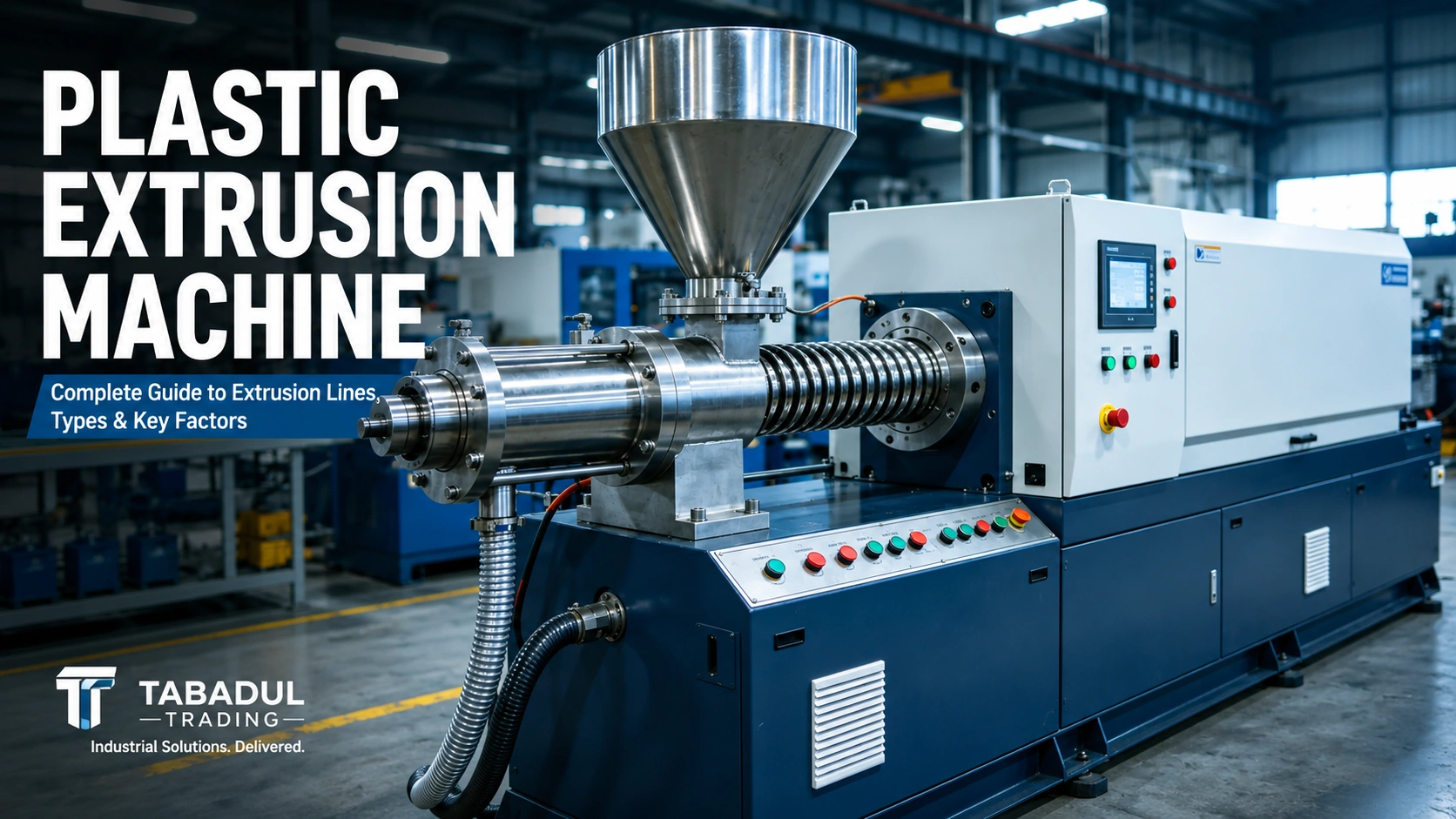
Plastic Extrusion Machine
A plastic extrusion machine is essential for manufacturing plastic products such as pipes, profiles, sheets, films, and other extruded components. It works by melting plastic material and forcing it through a specially designed die to produce continuous shapes with specific dimensions. Choosing the right plastic extrusion machine depends on the type of product, raw material, required output capacity, and production specifications. The right setup helps manufacturers maintain consistent product quality, improve production efficiency, and reduce material waste and manufacturing defects.
Tabadul Trading helps plastic manufacturers find suitable machinery and equipment for their production requirements. With more than 25 years of experience in industrial trade, over 350 delivered projects, and a network of more than 150 team members and partners, the company offers plastic extrusion machines, molds, auxiliary equipment, and spare parts. Whether establishing a new production line or upgrading an existing facility, manufacturers can explore practical equipment solutions aligned with their operational needs and long-term production goals.
How Does a Plastic Extrusion Machine Work?
Picture a screw rotating inside a heated barrel, pushing plastic pellets forward while they gradually melt from friction and controlled heat. Once the material reaches the die at the end of the barrel, it takes on the shape of whatever profile the die is designed for, whether that’s a round pipe, a flat sheet, or a custom cross-section.
From there, the shaped material passes through a cooling tank, gets pulled at a controlled speed, and is cut to length. Every stage affects the final product. Push the material too fast and wall thickness suffers. Cool it unevenly and you get warping. This is why extrusion isn’t just about owning a machine, it’s about running the whole line in sync.
Types of Plastic Extrusion Lines
Factories rarely need the exact same configuration, since the end product dictates how the line should be built.
Pipe Extrusion Lines
Water supply pipes, drainage systems, and conduit all rely on extrusion lines built for tight tolerance control. Wall thickness has to stay consistent across the entire length, especially for pressure-rated pipes made from PVC, PE, or PP.
Profile Extrusion Lines
Window frames, door seals, and other custom cross-sections need dies engineered for their specific shape. These lines often run slower than standard pipe extrusion because precision matters more than raw speed here.
Sheet and Film Extrusion Lines
Flat sheets and films go through a different die design entirely, usually followed by calendaring rollers that control thickness and surface finish. Packaging materials and some construction products come from this type of setup.
Factors That Determine the Right Machine for Your Line
Buying an extrusion machine without mapping out your actual production needs is a common way to end up with equipment that underperforms. A few details make the difference between a smooth setup and a costly correction later.
- Screw diameter and length-to-diameter ratio: Affects melting efficiency and output capacity for a given material.
- Die design: Must match the exact profile, pipe diameter, or sheet width you plan to produce.
- Material type: PVC, PE, PP, and other resins each require different temperature zones and screw configurations.
- Cooling tank length: Longer tanks handle higher line speeds without compromising dimensional stability.
- Haul-off and cutting units: Speed and precision here directly affect wall thickness consistency and final product length.
- Spare parts availability: Screws, barrels, and heater bands wear over time, so access to replacements matters for uptime.
Getting these specifications right from the start tends to save far more than chasing the lowest quote on a machine that doesn’t fit the job.
Comparing Extrusion to Injection Molding
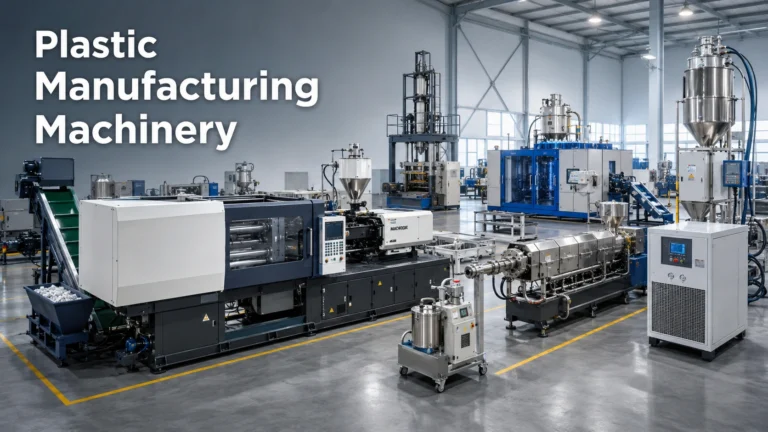
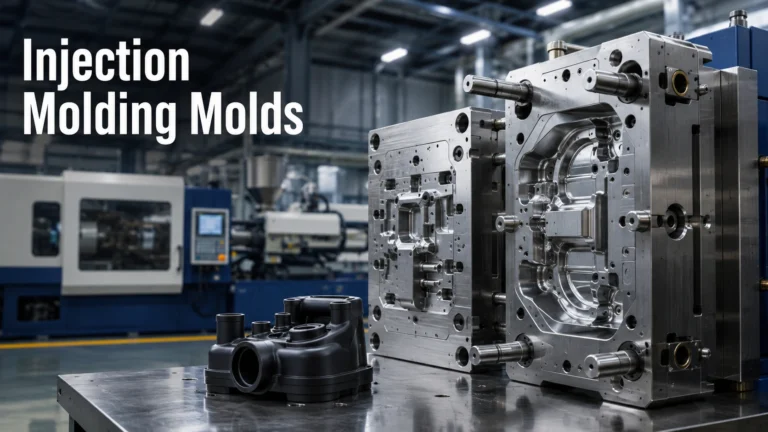
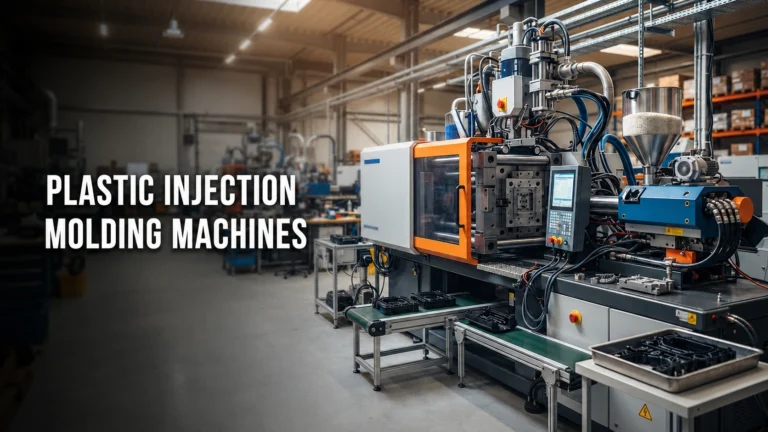
It’s worth noting that extrusion and injection molding solve different problems. Extrusion produces continuous shapes like pipes and profiles, while injection molding creates individual discrete parts using a mold cavity. Some factories actually run both processes side by side, depending on their product range.
For manufacturers weighing which process fits their next product line, reviewing how a plastic injection molding machine operates can help clarify whether discrete parts or continuous profiles better match the intended application.
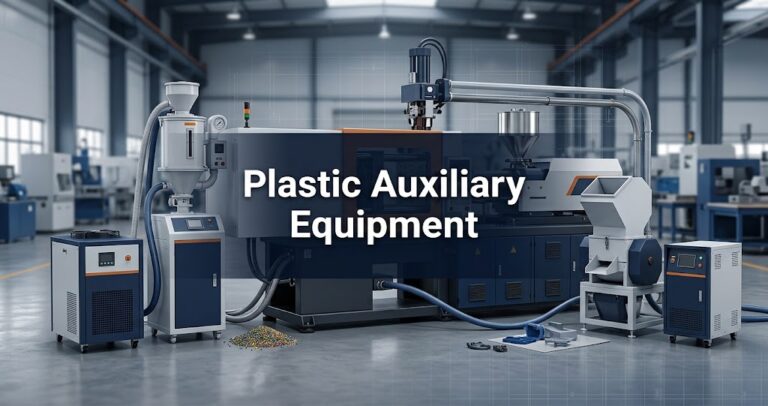
Auxiliary Equipment That Supports an Extrusion Line
An extrusion machine rarely runs alone on a real production floor. Several supporting systems keep output consistent and reduce the chance of unplanned downtime.
- Material dryers: Remove moisture from hygroscopic resins before they enter the extruder barrel.
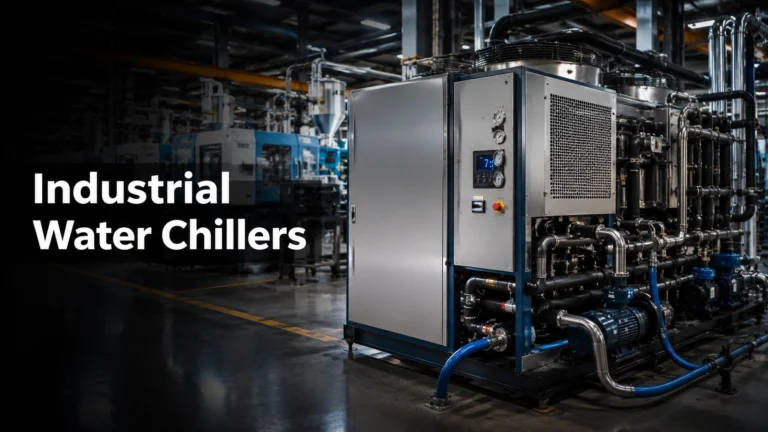
- Chillers: Maintain stable water temperature for the cooling tank, which directly affects dimensional accuracy.
- Vacuum sizing tanks: Keep pipe diameter consistent as the material solidifies.
- Printing units: Mark specifications directly onto the pipe or profile surface during production.
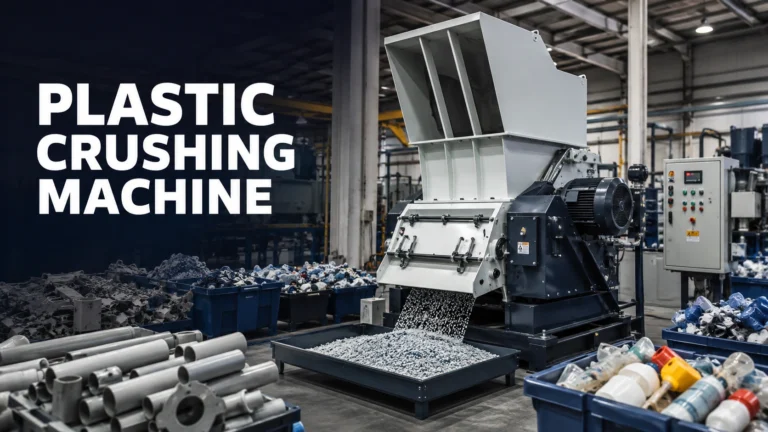
- Granulators: Recycle trimmed material and rejected sections back into usable regrind.
Skipping any of these components rarely saves money in the long run, since inconsistent cooling or moisture-laden resin tends to show up as defects further down the line.
Why Factories Choose Tabadul Trading
Anyone can sell a machine. Fewer suppliers actually sit down and work through the material, output target, and die design before recommending equipment. That distinction has shaped how Tabadul Trading operates, and it’s reflected in the trust built across more than 350 completed projects.
- 25+ years of experience in industrial trade and factory equipment supply.
- 350+ projects delivered across diverse manufacturing sectors.
- 150+ team members and partners supporting technical consultation and after-sales service.
- End-to-end solutions covering extrusion, injection, and blow molding machines, molds, auxiliary equipment, and spare parts.
- Quality commitment aligned with recognized standards, including ISO and CE certifications.
Reach out to Tabadul’s team to walk through your production requirements before committing to a specific extrusion line, whether you’re launching a new pipe factory or upgrading an existing profile production setup.
Frequently Asked Questions
What materials can a plastic extrusion machine process?
Most extrusion lines handle common resins such as PVC, PE, PP, and PS, though the screw design and temperature settings need to be adjusted based on the specific material and application.
How is pipe wall thickness controlled during extrusion?
Wall thickness depends on the die gap, haul-off speed, and screw output rate working together. Any inconsistency in one of these variables can cause thickness variation along the pipe.
What is the difference between single-screw and twin-screw extruders?
Single-screw extruders are common for standard pipe and profile production, while twin-screw designs handle better mixing and are often used for compounding or materials requiring more thorough blending.
Can one extrusion line produce different pipe diameters?
In many cases yes, by changing the die and adjusting the sizing tank and haul-off settings, though this depends on how the specific line was originally configured.
Does Tabadul Trading provide spare parts for extrusion machines?
Yes, Tabadul supplies spare parts and technical support to help factories maintain consistent uptime and address wear-related issues before they affect production quality.
2 Comments