Plastic Manufacturing Machinery for Complete Factory Solutions
Building a reliable plastic production line starts with choosing machinery that matches the product, raw material, output target, and available factory space. The right plastic manufacturing machinery does more than produce parts; it helps control quality, reduce waste, improve cycle times, and support long-term business growth.
Tabadul Trading helps factories make these decisions with clearer technical guidance. For more than 25 years, the company has supported manufacturers that need machines, molds, auxiliary units, spare parts, and structured communication throughout the sourcing process. With over 350 delivered projects and a network of more than 150 team members and partners, Tabadul provides practical industrial solutions for new facilities and expanding production lines.
What Does Plastic Manufacturing Machinery Include?
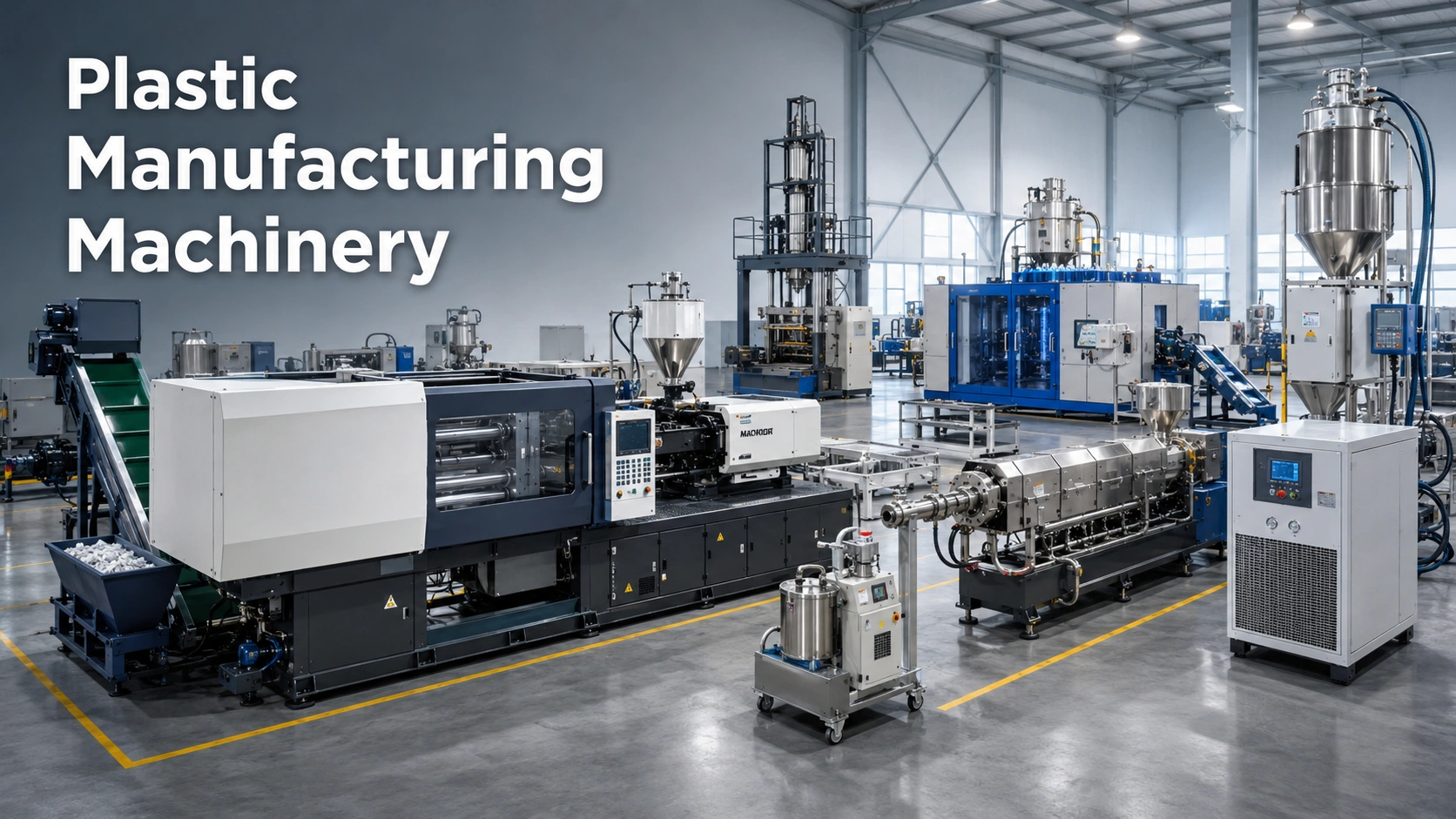
A complete plastic factory usually relies on more than one machine. The required setup changes according to the product being manufactured, whether it is a molded household item, a PET bottle, a pipe, a fitting, or a continuous plastic profile.
- Injection molding machines: Used to produce solid plastic parts through molds.
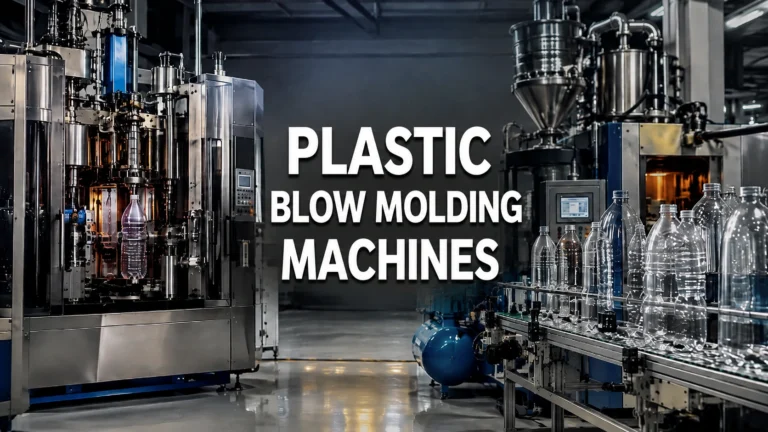
- Blow molding machines: Used for bottles, containers, jerry cans, and hollow plastic products.
- Extrusion lines: Used for pipes, profiles, sheets, films, and continuous plastic products.
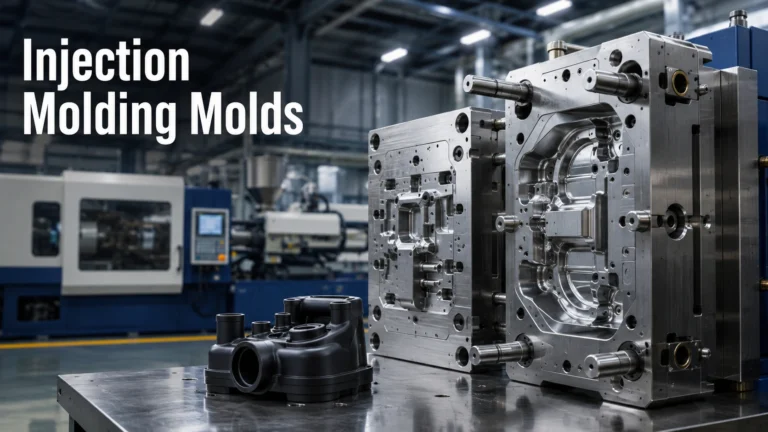
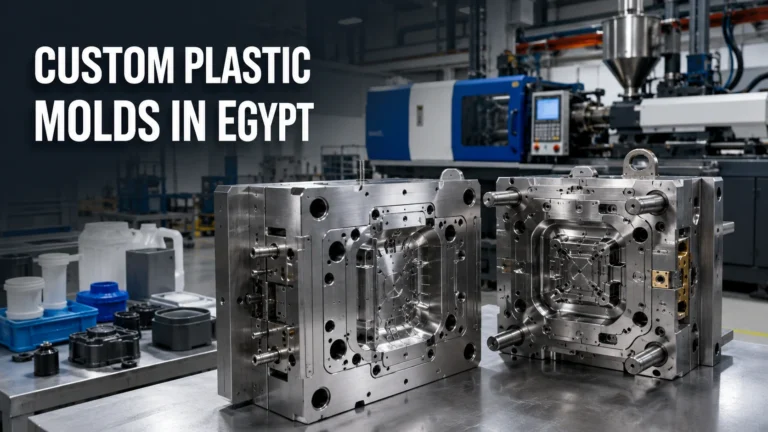
- Injection molds: Define the final shape, dimensions, and details of molded products.
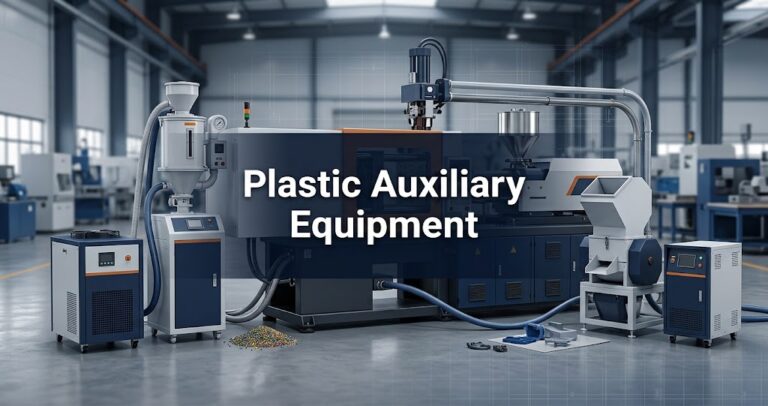
- Plastic auxiliary equipment: Supports material preparation, cooling, recycling, handling, and stable operation.
- Spare parts: Help reduce downtime when components need replacement or maintenance.
Choosing these elements as one coordinated system makes a noticeable difference in production stability. A machine with strong specifications can still underperform when the mold, cooling system, or material handling equipment is not properly matched.
Horizontal Injection Molding Machine Applications
For many factories, a horizontal injection molding machine is the standard choice for producing a wide range of plastic parts. Its injection unit and clamping unit operate on the same horizontal axis, making it suitable for automated production environments and integration with conveyors or robotic systems.
Household products, bottle caps, electrical components, fittings, packaging parts, and industrial plastic items can all be produced using horizontal injection machines. The correct model depends on clamping force, shot size, mold dimensions, material type, and the number of parts required per production cycle.
When Is a Vertical Injection Molding Machine the Better Option?
Some products require metal components, electrical inserts, or pre-positioned parts to be placed inside the mold before plastic injection. In these situations, a vertical injection molding machine can offer a more practical setup because the mold is arranged vertically for easier insert placement.
This type of equipment is often used for insert molding applications, electrical connectors, small precision components, and products that require manual or semi-automatic loading. It can also be suitable for factories with limited floor space, depending on the selected machine configuration.
Plastic Injection Molding Machines and Mold Compatibility
The machine is only one part of the injection molding process. A mold must be designed to match the machine’s clamping force, shot capacity, platen dimensions, tie-bar spacing, and injection pressure. Without this compatibility, factories may experience flashing, incomplete filling, uneven cooling, or damage to the mold and machine components.
For manufacturers planning a molded product line, reviewing the specifications of a plastic injection molding machine alongside the mold design helps create a more reliable production setup from the beginning.
PET Blow Molding Machine Solutions for Bottles
Water bottles, beverage packaging, cosmetic containers, and many food-grade products are commonly produced using a PET blow molding machine. This process shapes heated PET preforms into bottles by using compressed air inside a carefully designed mold.
Production requirements vary widely between a small bottle operation and a high-output packaging line. Bottle size, neck design, number of cavities, output per hour, and the desired automation level all influence the machine selection. Choosing a system that aligns with the intended production volume helps maintain consistency without unnecessary operating costs.
How Blow Molding Fits into Plastic Production
Blow molding is the preferred manufacturing method for hollow products, while injection molding is more suitable for solid parts with detailed geometry. A factory producing bottles may also need injection-molded caps, handles, or fittings, making it important to plan how different processes can work together.
Businesses interested in bottle and container production can explore the role of a blow molding machine in producing plastic packaging, jerry cans, and other hollow products with consistent dimensions.
Plastic Extrusion Machinery for Pipes and Profiles
Unlike injection and blow molding, extrusion creates a continuous product rather than individual parts. Pipes, profiles, sheets, films, and cable conduits are common examples of products made through this process.
A typical extrusion line includes an extruder, die head, cooling tank, haul-off unit, and cutting system. Each stage must run at the right speed and temperature to maintain wall thickness, diameter, surface quality, and final product dimensions. Factories producing continuous plastic products can learn more about selecting a plastic extrusion machine based on material, product profile, and production requirements.
Plastic Auxiliary Equipment That Supports Production
Behind every stable production line is a group of supporting units that manage material quality, temperature, handling, and recycling. Selecting the right plastic auxiliary equipment helps reduce manual work, improve consistency, and prevent issues that could affect the final product.
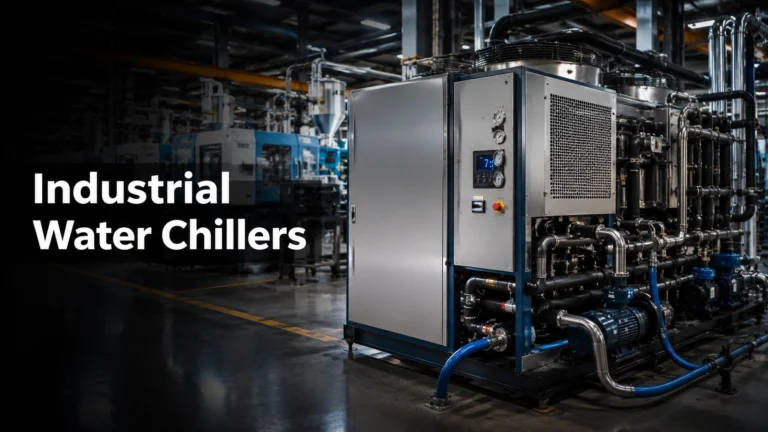
- Chillers: Maintain stable cooling water temperature for molds, extrusion lines, and blow molding equipment.
- Material dryers: Remove moisture from plastic resins that require drying before processing.
- Hopper loaders: Feed plastic granules into the machine automatically and consistently.
- Mixers: Blend raw materials, color masterbatch, additives, and recycled material in controlled ratios.
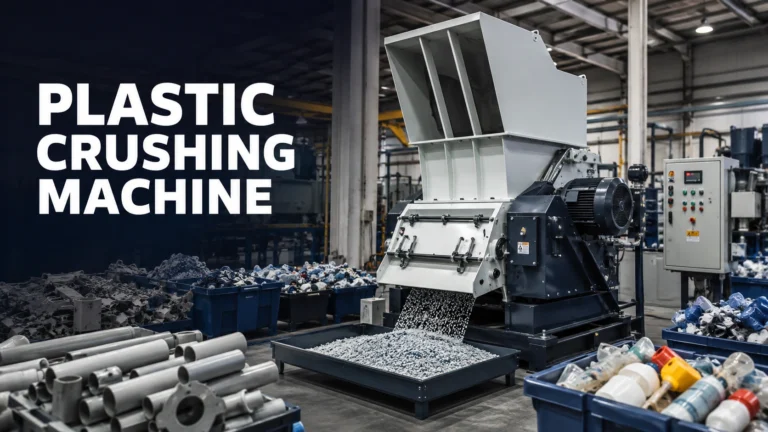
- Granulators: Process runners, rejected parts, and plastic waste for reuse where suitable.
- Conveyors: Move products and materials smoothly between production, inspection, and packing stages.
These units may seem secondary at first, but they often determine whether a production line performs consistently through long operating hours or experiences repeated quality and downtime problems.
How to Select Plastic Manufacturing Machinery
Before requesting a quotation, it helps to define the production plan clearly. A supplier can provide more accurate recommendations when the factory has identified the final product, expected output, material type, and available operating conditions.
- Define the product: Review its size, weight, shape, use, and quality requirements.
- Select the material: PET, PP, PE, PVC, ABS, and other resins need different processing conditions.
- Set the production target: Calculate the expected daily or monthly output before choosing machine capacity.
- Consider mold requirements: Check cavity count, cooling needs, dimensions, and compatibility with the machine.
- Plan factory space: Allow sufficient room for the main machine, auxiliary units, operators, maintenance access, and storage.
- Review after-sales support: Spare parts and technical communication are important for long-term production continuity.
Why Choose Tabadul Trading?
Industrial equipment decisions become less complicated when the supplier understands how every component connects to the finished product. Tabadul Trading works with customers to identify machinery, molds, and support equipment that align with actual factory requirements rather than offering a one-size-fits-all solution.
- 25+ years of experience in industrial trade and factory equipment supply.
- 350+ delivered projects across different plastic manufacturing applications.
- 150+ team members and partners supporting technical coordination and sourcing decisions.
- Complete machinery solutions including injection, blow molding, extrusion, molds, auxiliary equipment, and spare parts.
- Quality-focused approach aligned with ISO and CE-related standards and certifications.
Whether your factory needs a horizontal injection molding machine, a vertical injection molding machine, a PET blow molding machine, or a full system of plastic auxiliary equipment, Tabadul Trading can help you build a production setup that supports your current needs and future growth.
Frequently Asked Questions
What types of plastic manufacturing machinery does a factory need?
The required machinery depends on the product. A factory may need injection molding machines for solid parts, blow molding machines for bottles, extrusion lines for pipes or profiles, molds, cooling systems, dryers, feeders, and spare parts.
What is the difference between horizontal and vertical injection molding machines?
Horizontal machines are commonly used for high-volume production of standard plastic parts, while vertical machines are often better for insert molding and products that require manual placement of metal or electronic components inside the mold.
What products can a PET blow molding machine produce?
A PET blow molding machine is commonly used to produce water bottles, beverage bottles, cosmetic containers, food packaging, and other PET hollow products.
Why is plastic auxiliary equipment important?
Plastic auxiliary equipment supports material drying, cooling, feeding, mixing, recycling, and handling. These systems help maintain product quality, improve efficiency, and reduce production interruptions.
Can Tabadul Trading provide a complete plastic production line?
Yes, Tabadul Trading provides integrated solutions that can include plastic manufacturing machinery, molds, auxiliary equipment, spare parts, and technical support based on the factory’s production requirements.